
Wood Sealing in Austin, TX
Some wood should stay exactly the color it is — it just needs protection. ProTek Fence Staining Austin provides clear and lightly tinted wood sealing for fences, decks, and pergolas across the Austin area: veteran-owned, fully insured, and honest about the one question that matters before any sealing project, which is whether sealing or staining is actually the right tool for your wood.
Request A Quote
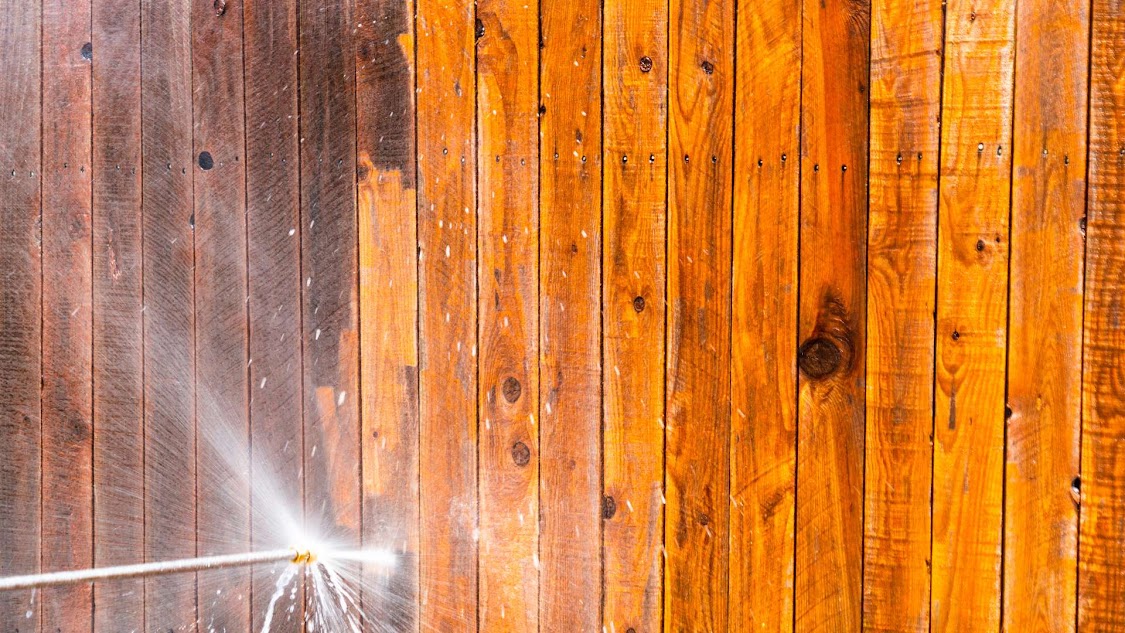
Sealing vs. Staining: Which Do You Need?
The terms get used interchangeably, and they should not be. Sealers are clear or lightly tinted moisture barriers: they lock out the rain, humidity, and sprinkler overspray that cause warping, cupping, and rot, while leaving the wood’s current color essentially unchanged. Stains carry pigment, and pigment is what fights UV — which means sealed-but-unstained wood still grays in Austin sun, just more slowly. The practical rule: seal when you love the color your wood has today and accept a shorter maintenance cycle; choose fence staining or deck staining when you want color plus the longest protection per application. We will tell you plainly which side your project falls on, including when the answer is a pigmented product that does both jobs at once.
Our Sealing Process
Sealing rewards the same discipline as staining. The wood gets washed at safe pressure, brightened if graying has started, and dried to the right moisture reading — sealing damp wood traps the moisture you were trying to keep out. Application works the sealer into board faces, edges, and end grain, the entry points water actually uses. New wood gets a patience check first: fresh cedar and pressure-treated pine need weeks to months before they will absorb sealer properly, and we test rather than guess.
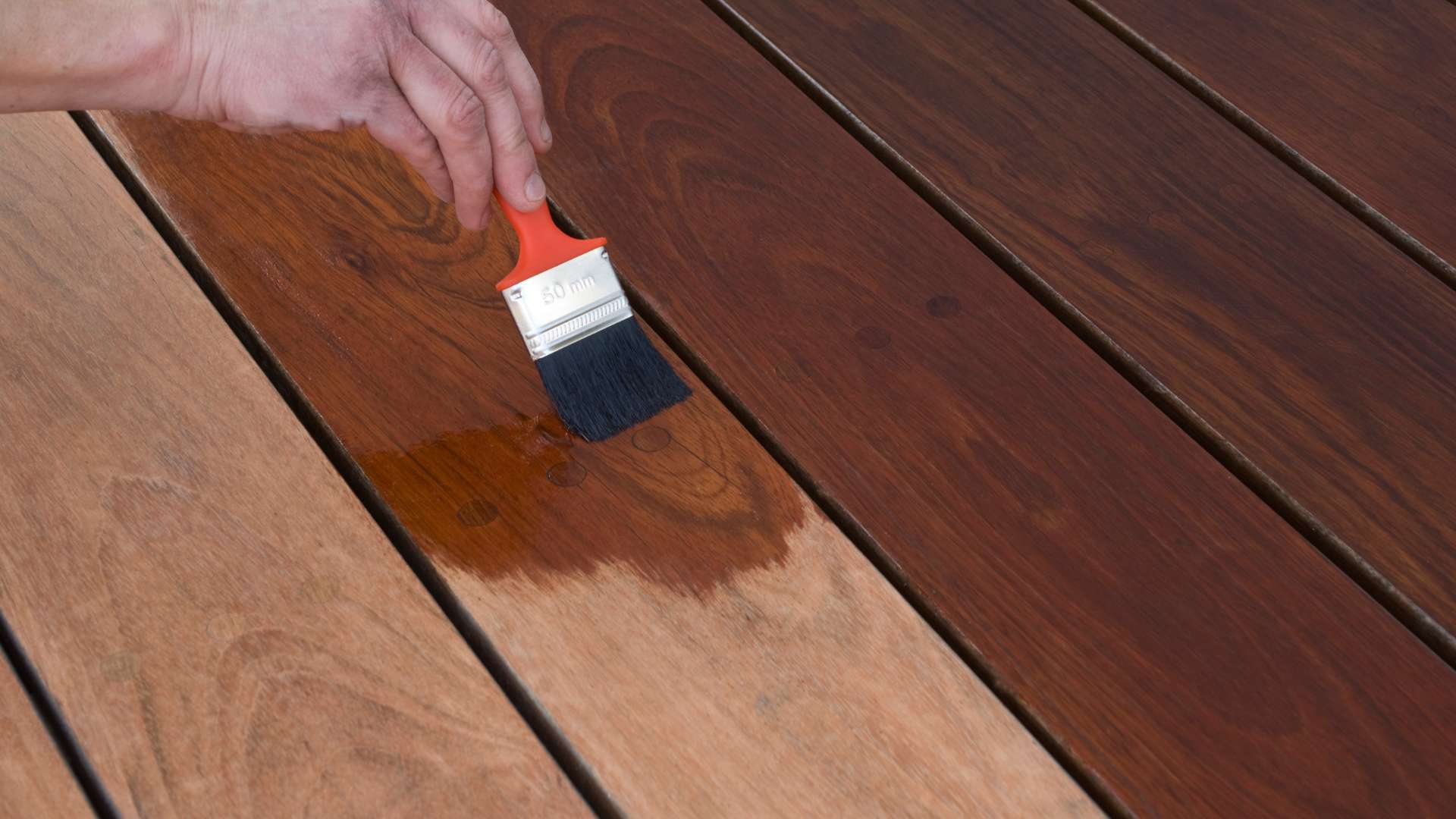
Fence Sealing
For fences with wood worth showing at its natural tone — new cedar especially — a quality sealer preserves the look while shutting out moisture at the post line and board edges where fences fail first. Expect a shorter re-application cycle than stain, and honest guidance on when a fence’s sun exposure makes semi-transparent stain the smarter long game. [#fence-sealing]
Decks collect standing water, which makes a moisture barrier underfoot more valuable per square foot than anywhere else on the property. We seal deck boards, railings, and stair treads with penetrating products that shed water without building a slick film — traction matters on a horizontal surface. Sealed decks in full sun still benefit from pigment eventually, and we will map that timeline for you honestly. [#deck-sealing]Tall cedar and pine privacy panels are Austin’s standard backyard frame. Full coverage across rails and pickets, with even color and sealed board edges on both faces where access allows. [#privacy]
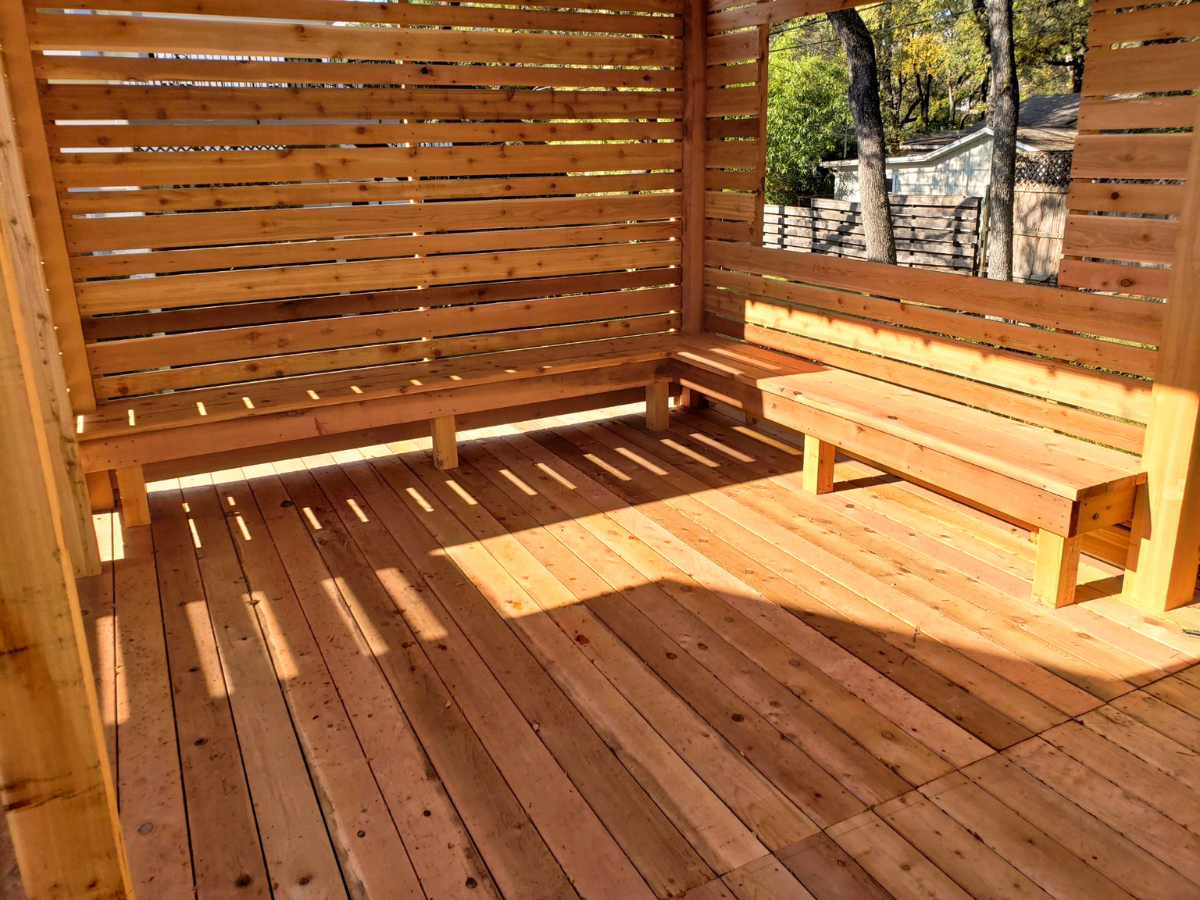
A clear-sealed pergola keeps its fresh-cedar tone while gaining protection against the rain that swells rafter joints. Every face gets coverage, tops included, with the same overhead drip control as our staining work. Because pergolas take the most UV of any structure, sealing is best for newer builds — older, sun-faded pergolas usually want restoration and pigment first. [#pergola-sealing]
Signs Your Sealer Has Worn Off
Sealed wood announces its status every time it rains: water beading on the surface means the barrier is working; water darkening the boards on contact means it is gone. Other tells are a chalky feel where the surface used to be smooth, and gray creeping into the sunniest sections. Because sealer cycles are shorter than stain cycles, the rain test is worth running once a season — a timely re-coat is an afternoon’s work, while a lapsed one lets the weathering clock start.
What a Sealing Quote Depends On
Structure size sets the baseline; condition and preparation set the rest. Wood that needs brightening before sealing takes more time than wood that just needs a wash, and new construction needs only a moisture check. Sealing projects frequently pair with washing visits, and when they do, the preparation is quoted once, not twice.
Beyond Fences, Decks, and Pergolas
The same protection extends to the rest of the property’s wood: gates, arbors, benches, planter boxes, exterior beams, and outdoor furniture worth keeping. Small pieces ride along with larger sealing visits at little added cost, and everything gets the same prep discipline — because a sealer over dirty wood is a moisture trap with good intentions.
Wood Sealing FAQs
One to three years in Austin conditions, shorter on full-sun horizontal surfaces. It is a lighter, more frequent cycle than stain — the trade for keeping the natural look.
It slows graying but cannot stop it; gray comes from UV, and clear sealers carry little UV defense. Pigmented stain is the tool for that job.
Yes — a clear maintenance coat over a sound stained finish extends its life. Over a failing finish, preparation comes first.
After the wood dries to the right moisture content: a few weeks for most cedar, longer for pressure-treated lumber. Sealing too early is the most common mistake we undo.
Not with the penetrating products we use. Film-forming sealers can be slick underfoot, which is exactly why we avoid them on decks and stairs.
Every side you own and can access, with edges and end grain treated as carefully as faces.
Easily — that is the natural progression as wood ages. A previously sealed surface preps for stain with a standard wash-and-dry cycle.
Any dry stretch with moderate temperatures. Fall and spring lead, and the only true blocker is wet wood or a wet forecast.
Keep the Look, Add the Protection
If you love your wood’s color and want it to last, sealing is the honest middle path. Call (512) 368-2236 or ask us about sealing and we will tell you exactly which protection your wood needs.