Outdoor Spring Cleaning Checklist for Austin Homes
Spring is when Austin wood files its winter report. Cold-damp stretches, wind-driven dust, and the first pollen drop all leave evidence on fences, decks, and pergolas — and ten minutes with this checklist sorts every wood surface on the property into one of three buckets: fine for the season, due for a wash, or ready for real attention.
1. Walk the Fence Line
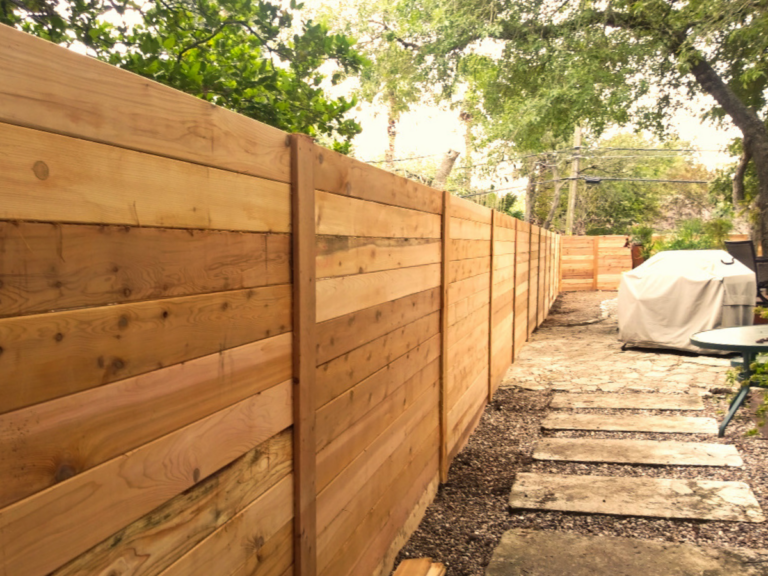
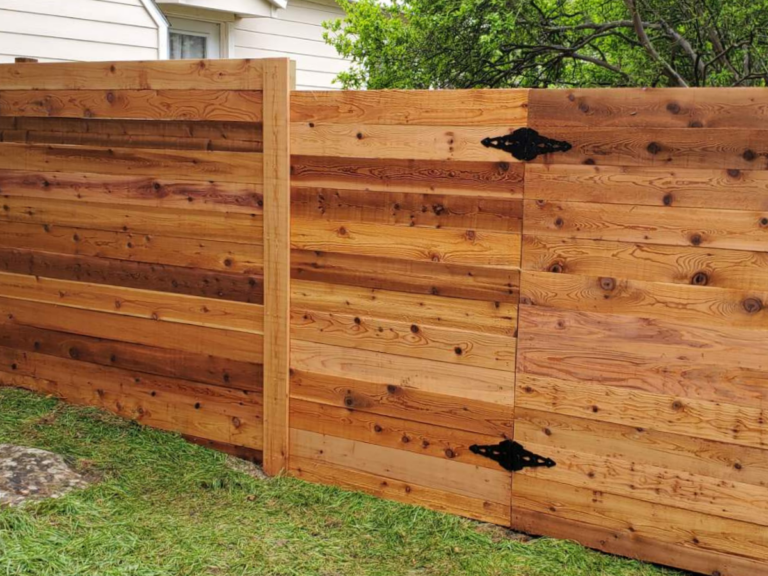
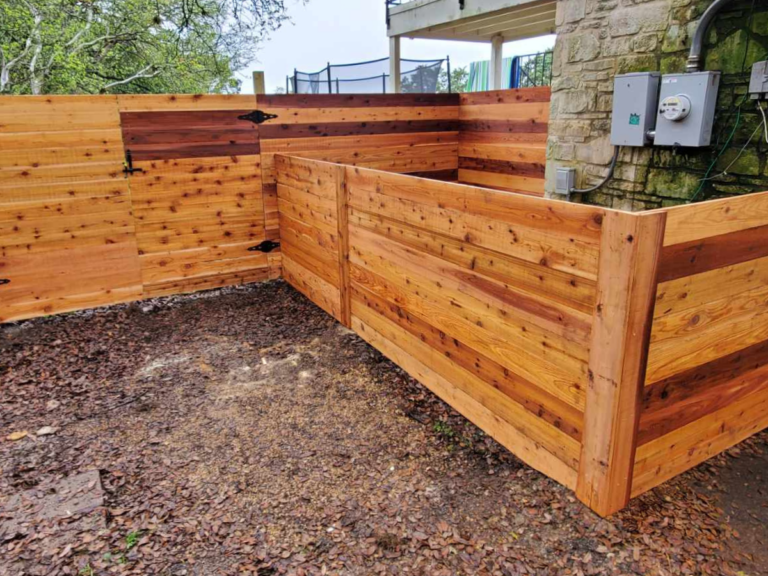
Both sides, the full run. You are looking for winter’s specific damage: boards loosened by wind, posts moving at the ground line, and gates sagging on their hinges. Then the surface story — green film creeping up shaded faces, black spotting in the damp corners, and dust load you can wipe with a finger. Structural items go to the top of the list; surface items feed the wash decision below. While you walk, photograph anything questionable with your phone — a leaning post, a widening crack, the green corner. The photos date-stamp the baseline, make any contractor conversation faster, and turn next spring’s walk into a comparison instead of a memory test.
Why Spring Timing Beats Summer Discovery
Every item on this checklist can be discovered in July instead — at July prices, in July conditions. The economics of the spring pass rest on one fact: wood problems compound through an Austin summer faster than any other season. A hairline of failed finish in March is a wash-and-recoat; the same fence discovered in August has taken four months of peak UV on open grain and may need brightening before anything else. Green growth found in spring is a treatment; found in fall, it has had a full humid season to root into the finish. And scheduling follows the same curve — spring books days out, while the post-first-heatwave rush books weeks. Fifteen minutes in March is not diligence for its own sake; it is buying every subsequent fix at its cheapest available price.
2. Run the Water-Bead Test
The single most useful diagnostic a homeowner owns: hose water onto fence boards, deck planks, and pergola posts. Beading water means the finish is still working — congratulations, buy nothing. Water darkening the wood on contact means protection is gone and the weathering clock is running. Test the sun-blasted sections especially; they fail first, and they fail quietly. Write the results down, even just three words per surface — beads, soaks, or mixed — because the note turns next year’s test into a trend line, and trend lines are how maintenance stays ahead of the weather instead of chasing it.
3. Look Up at the Pergola
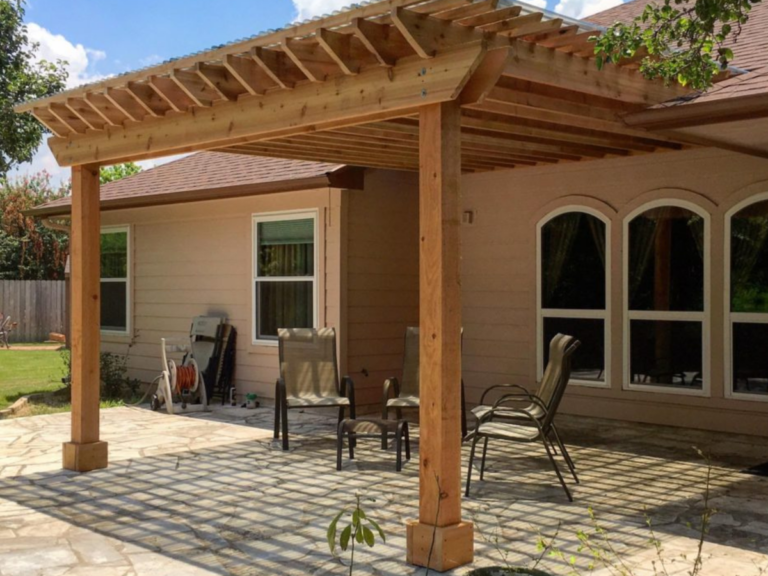
Rafter tops collect winter like a shelf: dust, catkins, webbing, and mildew shadow on the sheltered faces. From the ground, look for the structure reading darker than it used to; from a ladder — carefully — check the tops for chalky end grain and surface cracks. Pergola damage runs ahead of what patio-level eyes catch, which is why spring is its inspection season. If ladder work is not your afternoon, a phone photographed at arm’s length over the rafters answers the same question from the ground — zoom in on the tops and the end grain, and the structure’s winter report is right there on screen.
4. Check the Deck Before Barefoot Season
Probe board ends and stairs for soft spots, note any boards that flex, and drag a hand for splinter patches. Then the surface: slick spots mean algae, gray means the finish is done, and both mean the deck wants a proper cleaning before the first cookout rather than after someone slips.
5. Schedule the Wash Before Pollen Bakes On
Austin’s oak drop coats everything, and pollen left through summer bakes into finishes and feeds mildew when rain returns. A spring professional wash clears the winter inventory in one visit — fence, deck, and pergola together — and doubles as the honest inspection: clean wood shows exactly what condition it is in.
What Winter Actually Did (Austin Edition)
Central Texas winters look mild and behave sneaky. The freeze events — even brief ones — matter most on wood that entered winter unprotected: water in open grain expands as it freezes, widening every crack it occupies, which is why unsealed boards emerge from February with checking they did not carry into December. The damp stretches between fronts keep shaded surfaces wet for days at a time, exactly the conditions mildew colonies wait for, and the winter sun angle reaches fence faces that summer shade normally protects. None of it is dramatic; all of it is cumulative. The spring checklist exists because winter’s damage is quiet — it shows up as slightly wider cracks, slightly greener corners, and slightly thirstier wood, and catching ‘slightly’ is the whole economy of wood maintenance.
6. Act on What the Checklist Found
Bucket one — water beads, surfaces clean after washing — is done until fall. Bucket two — finish thinning, gray beginning — wants a maintenance coat this season while the fix is still light; pick stain color samples early, because spring calendars fill fast. Bucket three — fully gray, water soaking straight in — is restoration territory, still very fixable and cheapest addressed now rather than after another summer.
The Checklist, Compressed for the Fridge
Walk the fence line, both sides. Hose-test for beading on fence, deck, and pergola. Look up at the rafter tops. Probe the deck before barefoot season. Book the wash before pollen bakes on. Then act by bucket: nothing, maintenance coat, or restoration. Fifteen minutes in March saves the expensive version of this list in September — and the properties that run it annually are the ones whose wood never makes the dramatic before-and-after photos, because it never got bad enough to qualify.
The Fall Version, Briefly
The same checklist runs in reverse in October, with the emphasis flipped: fall’s question is not what winter did but what summer did and what winter will do. The bead test matters most then, because wood entering the damp season unprotected soaks up every cold rain until spring. Fall is also the finishing season — so checklist findings convert to action faster: a fence that fails the October bead test can be washed and stained inside the same month, in the year’s best conditions. Spring finds the damage; fall prevents the next round. Properties that run both checklists a year apart are the ones whose wood never makes dramatic before-and-after photos, because nothing ever gets bad enough to qualify.
FAQs
When in spring should this happen?
After the last cold snaps and ideally after the heaviest oak pollen drop — late March through April for most of Austin.
How long does the full checklist take?
Ten to fifteen minutes with a hose. The scheduling that follows depends on what it finds.
What if the fence fails the bead test but looks fine?
That is the ideal catch — protection gone, damage not yet started. A wash and maintenance coat now is the light version of the project.
Can washing wait until fall with staining season?
Washing helps year-round; leaving a winter-and-pollen load on wood through an Austin summer is how surface problems become finish problems.
Who fixes the structural items — loose boards, sagging posts?
A fence contractor; we stain rather than build, and we will say plainly which items on your list belong to which trade.
My fence passed the bead test but looks dull. Do anything?
That is the wash-only case — protection intact, appearance dulled by buildup. A professional wash restores the look without touching the finish.
Should new homeowners run this checklist on a just-purchased property?
Immediately, and more thoroughly — you are establishing a baseline. The previous owner’s maintenance history is written on the wood, and the checklist reads it in fifteen minutes.