
How Pressure Washing Boosts Curb Appeal Fast
Curb appeal projects usually mean weeks and contractors. Washing is the exception: one afternoon of professional cleaning changes how a property reads from the street more than almost any spend of similar size — because most of what makes a home look tired is not damage, it is buildup, and buildup comes off.
The Fence Line Is the Biggest Surface You Own
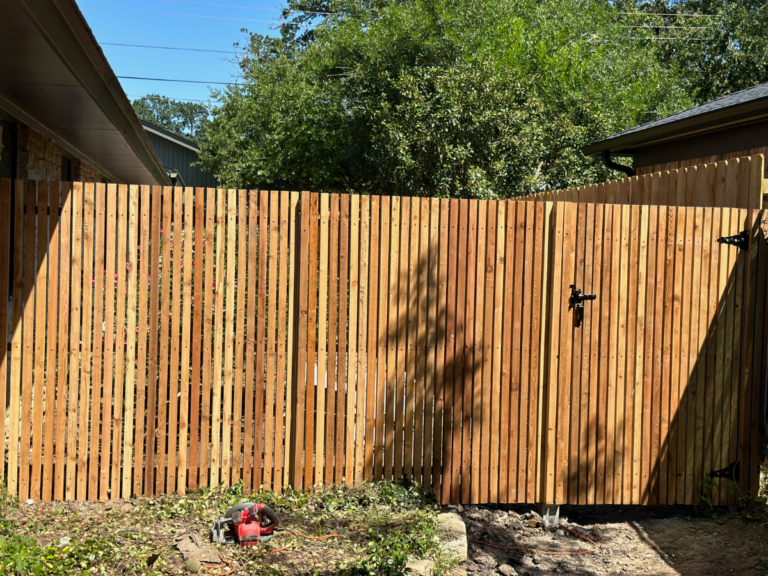
Stand across the street from your house and count the square footage in view. For most Austin lots, the fence line wins — hundreds of feet of wood framing every sightline, larger than the front door, the trim, and the porch combined. When it is gray and dusty, the whole property borrows that tiredness; when it is clean, everything inside it looks better maintained by association. That is why professional fence washing delivers the most curb appeal per dollar on the property: the surface is enormous, and the transformation is same-day.
What Actually Comes Off
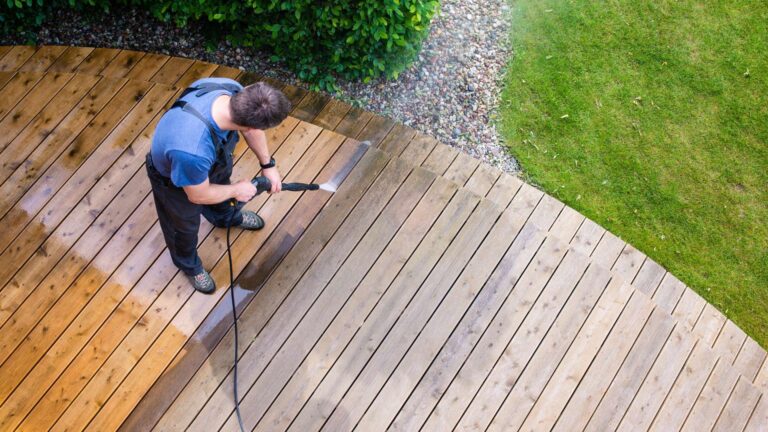
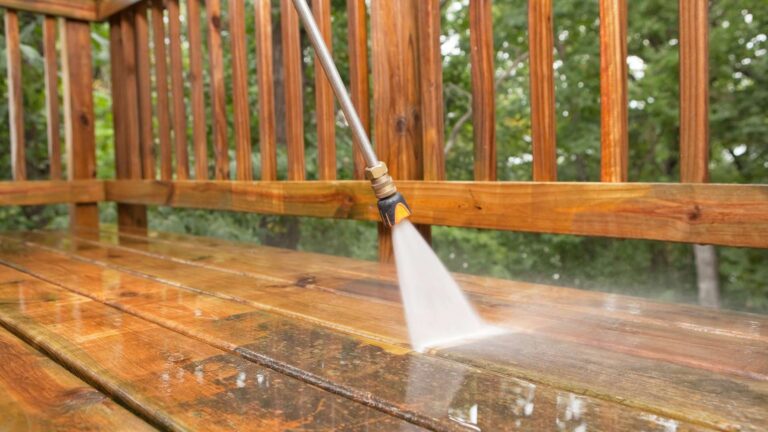
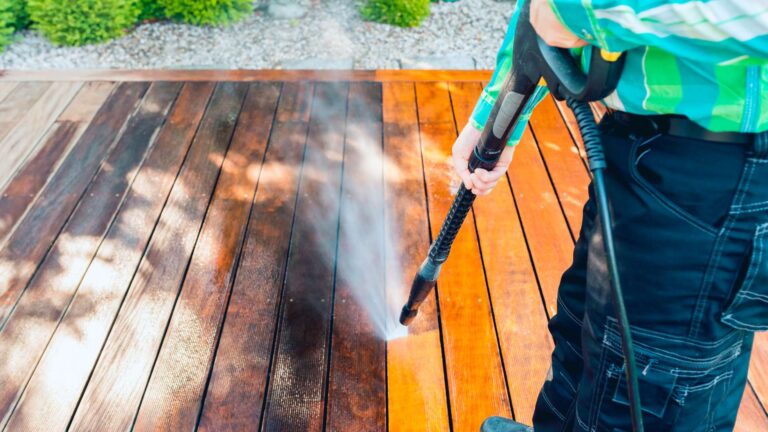
Austin loads exterior wood with a specific inventory: dust and pollen ground into the grain, green algae film on shade-facing runs, black mildew spotting from humid stretches, cobwebs anchored in every corner, and the flat gray cast of oxidized surface fiber. None of it is permanent, and most homeowners have forgotten what color their fence actually is underneath. The reveal — original wood tone emerging behind the wash wand — is the single most satisfying moment in this line of work. It is also diagnostic: sections where the reveal stays gray after washing have moved past buildup into weathering, which is finish-and-brightening territory rather than cleaning territory. The wash sorts the property into those two categories honestly, in real time, with no sales conversation required — the wood simply shows you.
The One-Day Refresh, In Order
When the goal is a whole property transformed in a single visit, sequence is the multiplier. The crew starts at the fence line’s far corner and works toward the house, so runoff never crosses finished sections. Growth-treated areas — the shaded runs, the green corners — get their solution dwelling first, cleaning themselves chemically while pressure work proceeds elsewhere. The deck follows the fence, furniture staged off and footprint rings washed away, and the pergola runs last-but-overhead-first within its own zone, drips falling on a deck that is about to be rinsed anyway. Walkways and splash zones get a final rinse on the way out. None of this is complicated; all of it is the difference between a wash that takes one efficient day and one that takes a day and a half of undoing its own streaks.
Decks, Pergolas, and the Backyard Half
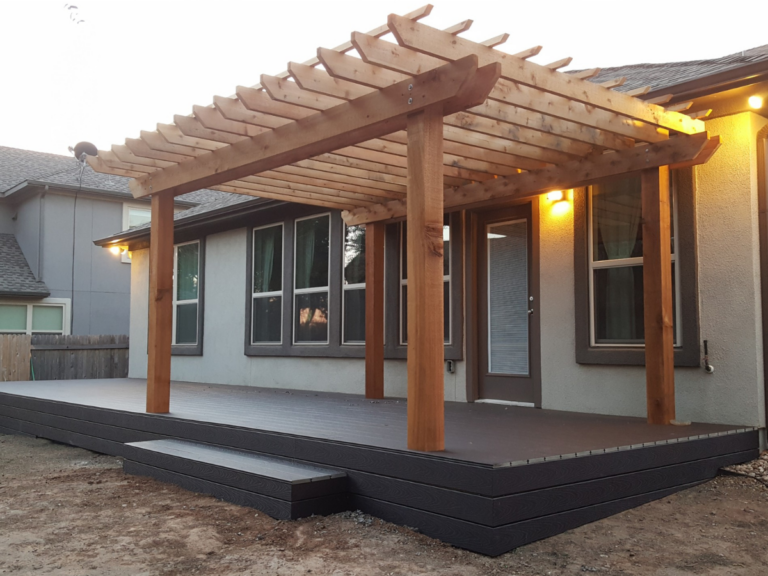
Curb appeal has a backyard equivalent: how the outdoor space reads to guests, appraisers, and the family that lives there. Deck cleaning turns a slick, gray platform back into usable, barefoot-safe space, and a washed pergola brightens the entire seating area beneath it. If the front yard wash is for the street, the backyard wash is for every evening you spend out there.
The Listing-Photo Math
Selling or leasing sharpens all of this into numbers. The fence line appears in nearly every exterior photo, and gray fencing quietly discounts a listing the way scuffed floors do — buyers read maintenance from surfaces. A pre-listing wash (with a stain refresh where the wood deserves it) is one of the cheapest cost-per-photo improvements available, and agents who have seen the before-and-after schedule it as routinely as cleaning the windows. The same logic scales down to a single listing photo: if only one exterior shot leads the listing, the fence line is almost certainly in it, and its condition is the frame every viewer reads first.
Timing Around Events, Listings, and Seasons
Curb-appeal washing has natural calendar anchors, and working backward from them keeps the effect at full strength. For listings: two to three weeks before photography, leaving room for any finish touch-ups the wash reveals, with the shots themselves taken on dry surfaces. For events — graduations, weddings in the backyard, holiday hosting — the week prior is ideal: fresh enough to gleam, settled enough that everything is back in place. For the seasonal refresh, late spring after the pollen drop delivers the longest-lasting result, since the year’s heaviest deposit is already down. And for the perpetually practical: pairing the wash with any other exterior appointment — a staining estimate, a repair visit — folds the mobilization costs together. The wash is quick; scheduling it deliberately is what makes it look effortless.
Wash Alone, or Wash Then Finish
Sometimes the wash is the whole project — a refresh before an event, a season, a listing. Sometimes it reveals wood that wants more: color gone flat past what cleaning restores, or water soaking in where finish used to bead. Either answer is fine, and the wash is how you find out which fence you have. Clean wood does not lie. That honesty is worth more than it sounds: exterior decisions made on washed surfaces — color choices, finish-or-wait calls, repair priorities — are made on evidence, and evidence-based projects come in on budget because nothing surprises anyone at step two.
Why Professional Beats the Rental Weekend
The rental machine promises the same result for less, and the fine print is the fence itself: full-pressure cleaning etches wand lines into thin boards, raises fuzz that dulls the clean look within weeks, and smears organic growth instead of killing it — so the green returns by the next humid stretch. Professional washing pairs calibrated pressure with treatment chemistry, which is why the results photograph the same on day one and look completely different by month three. Curb appeal is a durability project wearing a cosmetic costume.
What the Photos Show, Before and After
The transformation reads differently in person and in pictures, and the pictures are often the point. In person, the change registers as color: gray fence lines returning to warm wood tones, decks losing their flat dullness. In photos, it registers as sharpness — clean surfaces reflect light evenly, so edges look crisp, shadows look intentional, and the whole frame reads maintained rather than tired. This is why listing photographers notice washed properties immediately: the camera exaggerates surface condition in both directions. Grime that eyes adjust to over years photographs as neglect; the same surfaces cleaned photograph as care. For anyone photographing a property for sale, lease, or even insurance documentation, the wash is the cheapest image-quality upgrade available, and it improves every exterior shot at once.
FAQs
How long does a curb-appeal wash take?
Most fence lines run a few hours; add the deck and pergola and it is a satisfying single day. The full effect shows the next morning, dry.
How often should it be repeated?
Annually keeps most properties bright — spring, after the oak pollen drops, is the most popular timing in Austin.
Will washing alone make gray wood look new?
It removes buildup and often reveals surprising color; true UV graying needs brightening and finish to fully reverse. The wash tells you which you have.
Is it safe for landscaping along the fence?
Yes, managed properly: plantings pre-wetted and shielded, wood-safe solutions, thorough rinsing.
Does this help appraisals and listings measurably?
Agents consistently treat exterior cleanliness as a maintenance signal buyers price in. The fence line is the largest such signal on most lots.
Should washing happen before or after exterior painting or staining projects?
Before, always — it is the required prep for any finish. If a finish project is planned within weeks, one wash serves both purposes; schedule them together.
Does a clean fence really change how the house itself looks?
Disproportionately, yes. The fence frames every view of the property, and frames set expectations — galleries know this, and so do buyers standing across the street.