The Top 5 Exterior Upgrades That Increase Property Value
Exterior value projects get framed as construction: additions, replacements, hardscape. But appraisers and buyers read something simpler first — maintenance — and the highest-return exterior spends are often the ones that make existing surfaces look deliberately cared for. Here are five, ranked by visual return per dollar, and every one is a wood project.
1. Stain the Fence Line
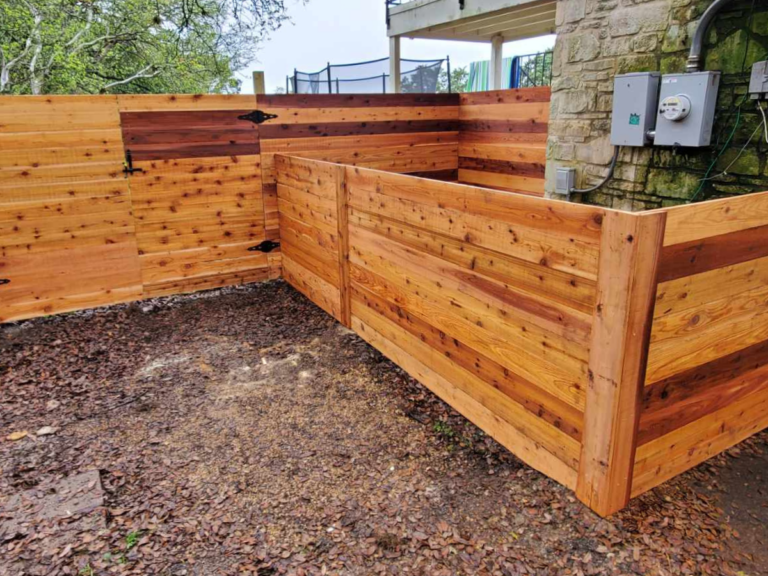
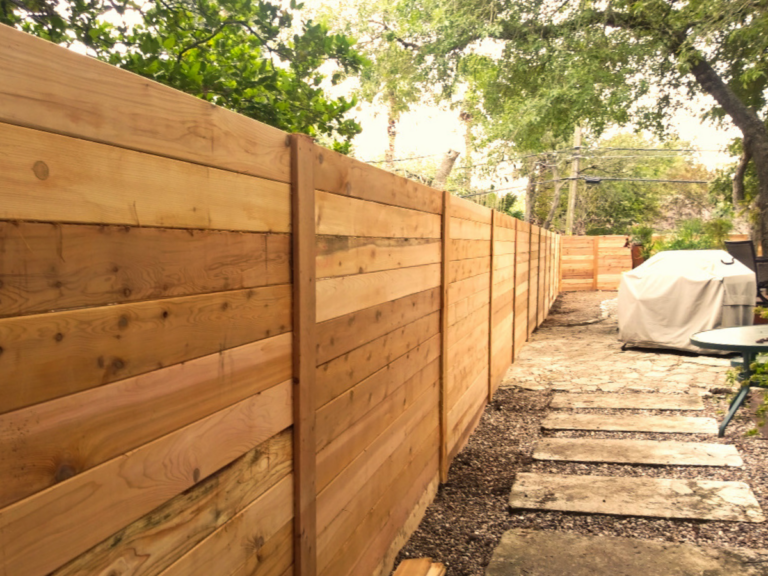
The largest surface in the curb view, and the cheapest per square foot to transform. A gray fence discounts everything inside it; a freshly stained fence reads as a maintained property from the street and in every listing photo. For fences already deep into weathering, restoration first, finish second — the transformation from silver to rich cedar is the most dramatic before-and-after in exterior work, at a fraction of replacement cost. One practical note on timing the fence item: staining season and selling season overlap in the fall, so listing-bound properties should book early — the same October weather window that suits the finish also suits the photographs.
2. Restore the Deck
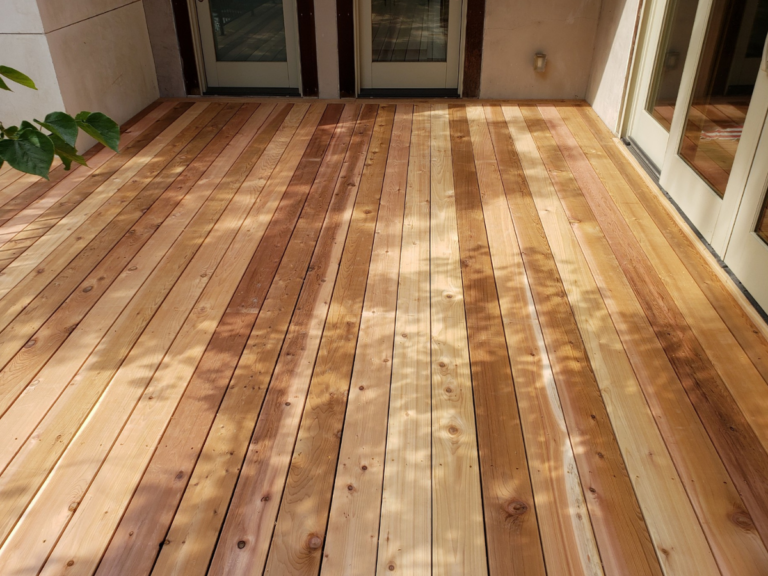
Outdoor living space sells, and a gray, slick deck sells it short. A full deck restoration — wash, brighten, refinish — returns the property’s main entertaining surface to barefoot condition, and buyers walking onto a cared-for deck extend that impression to systems they cannot see. Among the highest emotional-return projects on this list. It also carries the strongest inspection-day story: a restored deck with a documented finish date reads as a maintained asset, while a gray one invites the inspector’s probe and the buyer’s imagination, neither of which negotiates in the seller’s favor.
3. Refresh the Pergola and Shade Structures
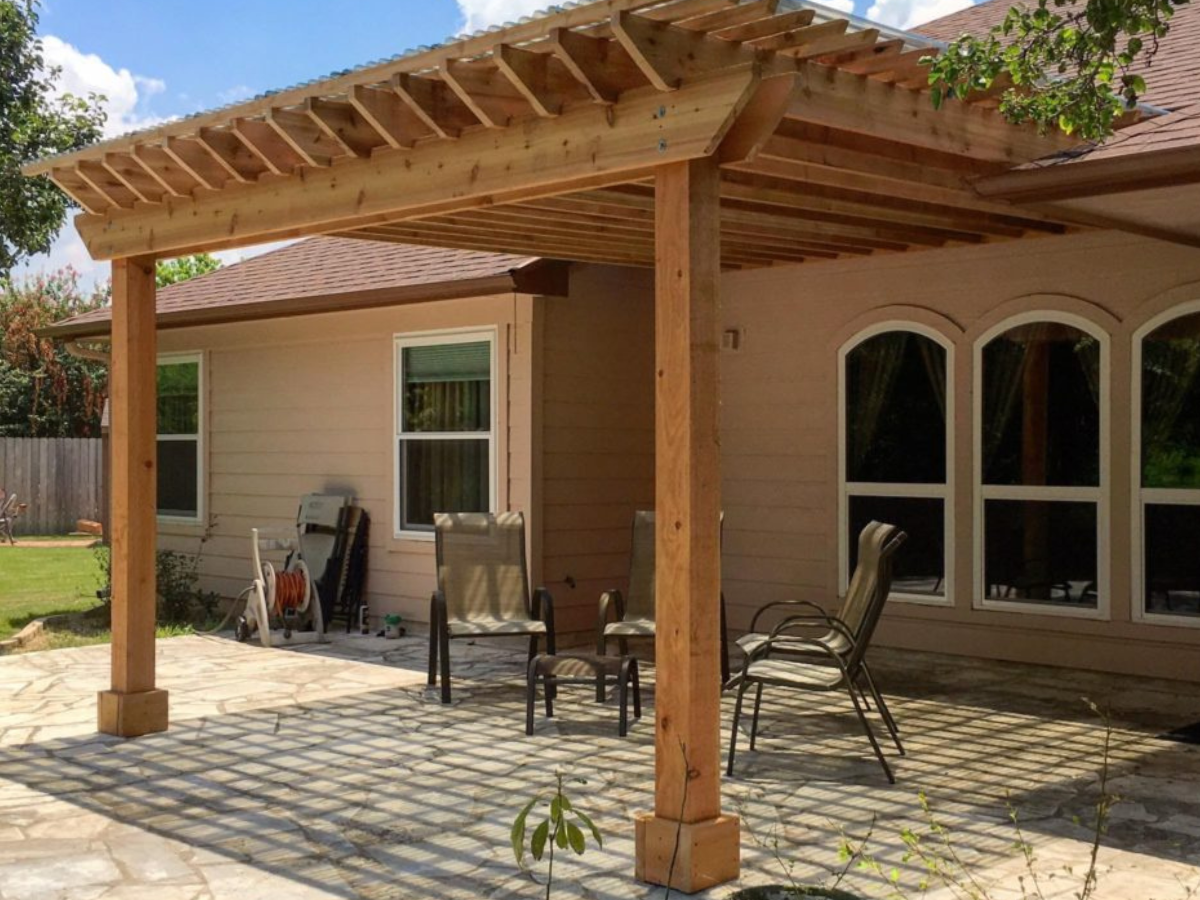
Pergolas anchor the backyard’s photograph, and a faded one apologizes in every shot. Staining overhead structures — pergolas, arbors, gazebos — costs modestly, finishes in a day or two, and upgrades the entire outdoor-room impression the market currently pays premiums for. It is also the item buyers photograph themselves standing under — outdoor rooms sell as lifestyle, and a rich-toned pergola overhead is the frame those aspirational photos are composed inside.
4. The Whole-Property Wash
The one-afternoon upgrade: fence line, deck, and pergola professionally washed. It is the least expensive item here and the fastest, and it compounds the others — clean wood shows whether it needs finishing, and finished wood photographed clean looks its price. Pre-listing, this is the closest thing exterior work has to free money.
5. Finish the Details
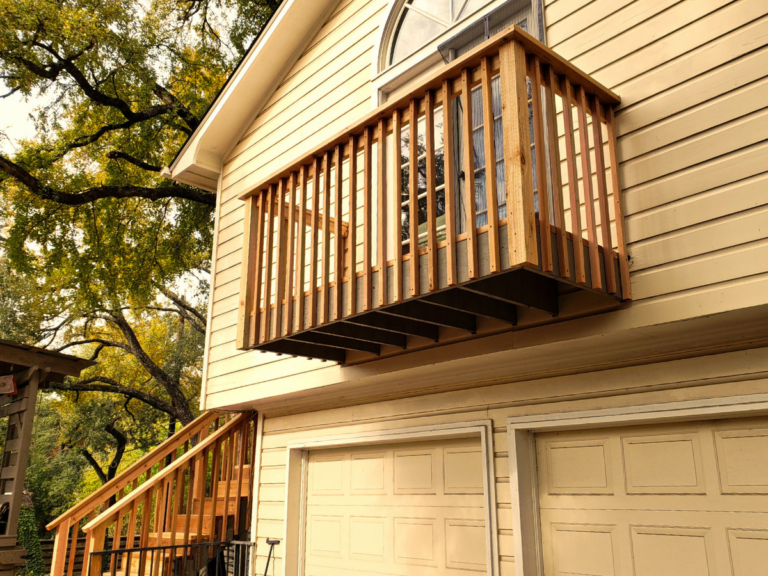
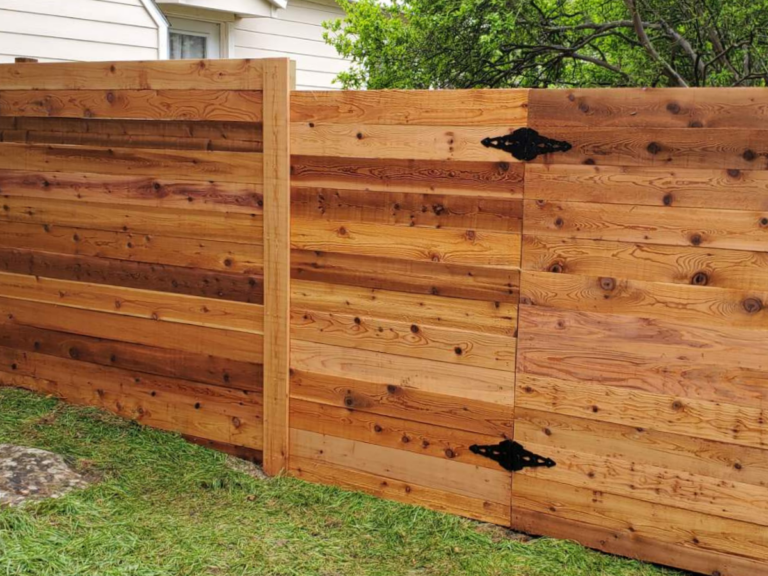
Garage doors, shutters, gates, and the wood accents the eye catches without registering: when they are faded, the house reads older than it is; brought back, they read as the finishing details of a maintained home. Small projects, outsized effect on the street-view impression, and the natural add-on when a crew is already on site for items one through four. The garage door deserves special mention within this tier: on street-facing garages it is often the single largest wood surface visible from the curb after the fence itself, and a faded one undercuts a fresh fence the way scuffed shoes undercut a pressed suit. Restored, it completes the frame the other four items built.
How Buyers and Appraisers Actually Read Exteriors
The mechanism behind all five items is worth naming, because it explains the returns. Appraisers work partly from condition ratings, and visible deferred maintenance — of which weathered exterior wood is the most visible kind — nudges those ratings and invites value adjustments. Buyers run a cruder but harsher algorithm: every surface that looks neglected raises the estimated cost and hassle of ownership, and those estimates compound into offers. The inversion is the opportunity — maintained wood surfaces signal a maintained everything, and buyers extend that assumption to roofs, systems, and foundations they cannot evaluate in a showing. Exterior wood is thus leveraged surface area: it is inspected by every visitor, it is cheap to transform relative to its visibility, and it testifies about the whole property. That is why five maintenance-tier projects can outperform one construction-tier project on sale day.
What Deliberately Isn’t on This List
Fence replacement, deck rebuilds, and hardscape all add value — at construction prices, timelines, and permits. The list above exists because most properties do not need them yet: the existing wood is structurally sound and cosmetically tired, which is the exact gap maintenance-tier projects close for a fraction of the spend. The honest sequence is always the same: restore and finish what is sound, replace only what a straight-faced inspection says is done, and never pay construction prices to solve a finish problem.
The Renter and Landlord Version
The list reads differently across the table, and both sides benefit from knowing it. For landlords, items one and four — the fence and the wash — do the heaviest lifting per dollar: they photograph in every listing, they reset tenant expectations about property standards, and they protect the asset itself, since a stained fence defers its own replacement. Item two, the deck, converts directly into rentable outdoor living space that listings can name. For owners preparing a sale after years of renting the property out, the full list in wash-first order is the standard recovery sequence — tenant-era wear on exterior wood is almost always surface-level, which means it is almost always reversible at maintenance prices. Either way, the principle holds: on income property, exterior wood is marketing that also happens to be maintenance.
The Sequencing Note
Run them in wash-first order: cleaning reveals what needs finishing, finishing locks in what cleaning revealed, and details ride along with the main mobilization. A property can work through this entire list for less than the cost of most single construction upgrades — which is the argument in one sentence.
Ordering the List by Budget
On a constrained budget, run the list as tiers. Tier one, minimal spend: the whole-property wash — item four — because it improves everything at once and diagnoses the rest. Tier two: fence staining, the biggest surface and the biggest read, funded next. Tier three: the deck, because it carries the backyard experience and the second-largest visual load. Tier four: pergola and details together, since they share crew mobilization efficiently. A property working through the tiers over two seasons still lands the full effect, and the wash-first order means every later dollar is spent on surfaces whose true condition is already known. The one ordering mistake worth warning against: finishing details before the fence, which decorates the frame while the picture stays gray.
FAQs
Which single project should a tight budget pick?
The fence line — biggest surface, biggest read, best cost-per-visual-square-foot.
Do these actually move appraisals?
Appraisers weigh condition and maintenance signals; buyers weigh them harder. Exterior wood is the most visible such signal on most lots.
How far before listing should this work happen?
Two to four weeks out: time for scheduling, curing, and photography on dry, finished surfaces.
What about projects like landscaping or lighting?
Both help and both pair well with this list — but surfaces come first, because plants and lights decorating gray wood decorate the problem.
Can all five happen in one project?
Comfortably, and bundled scheduling is cheaper than five separate mobilizations. Most whole-property refreshes run under a week of work time.
Do these projects matter for refinancing appraisals too, or only sales?
Condition ratings apply in refinance appraisals as well, and dramatic exterior neglect can surface in them. The stakes are lower than a sale, but the mechanism is identical.
Is there a season when these projects photograph best?
Spring and fall light flatters exteriors, but the honest answer is: whenever the surfaces are freshly done. Finished wood photographs well in any season; schedule around finishing conditions, not photography.