Deck Stain vs. Deck Sealer: The Real Difference
Ask five people the difference between deck stain and deck sealer and you will collect five overlapping wrong answers, because the products themselves overlap and the labels do not help. The distinction that actually matters is simple: sealers are moisture protection, stains are moisture protection plus pigment, and pigment is what fights the sun. On a Texas deck, that one sentence decides most of the argument — but the full picture is worth having before you commit a horizontal surface to either.
What a Sealer Is and Does
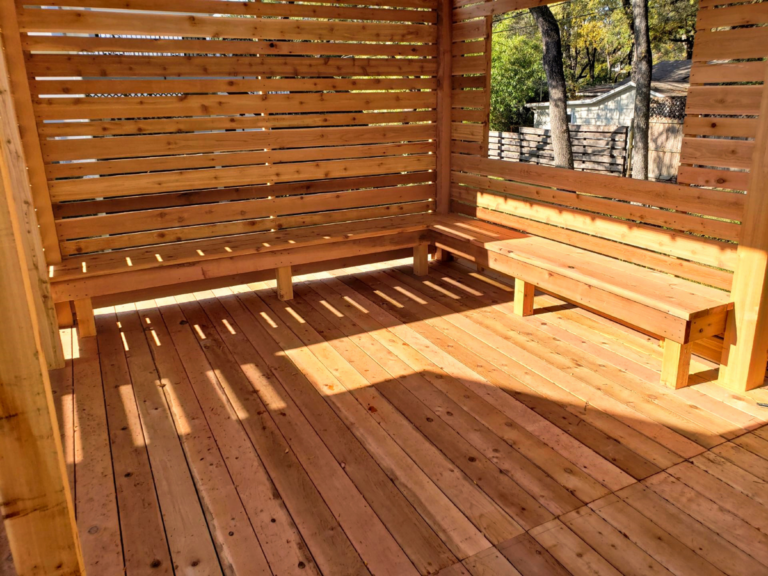
A sealer is a clear or lightly tinted penetrant whose whole job is water: it soaks into the boards and makes them shed rain, sprinkler spray, and spilled drinks instead of drinking them. Sealed wood resists the swelling-shrinking cycle that cups boards and backs out fasteners, and it dries faster after storms, starving mildew of its window. What a clear sealer barely does is stop UV — sunlight passes through it and works on the wood beneath, which is why sealed-but-unstained decks still gray, just on a slower schedule. Sealers suit wood whose current color is the point: fresh cedar, new pressure-treated boards after their drying period, and recently restored decks whose owners want the natural look for a while.
What a Stain Is and Does
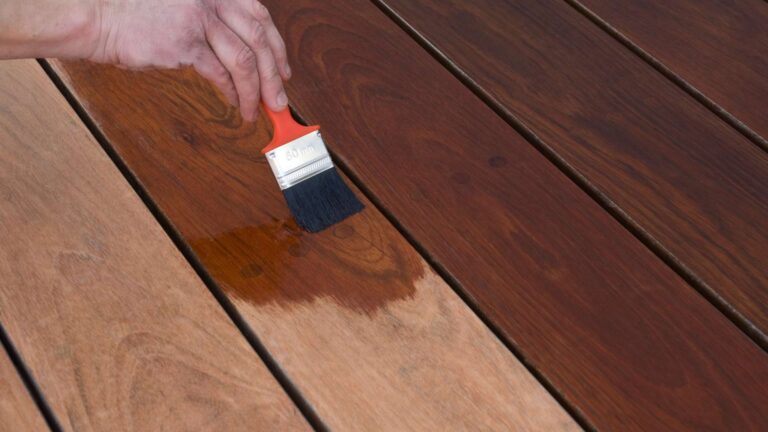
A penetrating deck stain does everything the sealer does — the carrier chemistry repels water the same way — and adds pigment, which functions as sunscreen. Pigment absorbs and scatters UV before it reaches wood fiber, which is why stained decks hold their color and surface integrity years past clear-sealed ones in open sun. Transparency scales the effect: semi-transparent shows grain with moderate defense, solid maximizes both coverage and UV life. The cost of pigment is purely aesthetic — every step of opacity trades away some wood-look — and on decks there is one added technical note: horizontal surfaces want products rated for foot traffic and standing water, a spec that matters more than the stain-versus-sealer label on the front of the can.
Why Decks Raise the Stakes
This decision is sharper on a deck than anywhere else on the property because horizontal wood lives the hardest life. Sun strikes deck boards near-perpendicular for hours — the maximum-dose geometry — while rain pools on them instead of running off, and feet, furniture, and dogs grind whatever is on the surface into the surface. A vertical fence can carry a clear finish in partial shade for years with grace; a deck in Texas sun spends a clear sealer’s protection visibly faster and grays on a schedule that surprises its owners. The exposure math is why the professional default for open-sun decks is pigmented product, with clear sealing reserved for genuinely shaded decks and owners committed to a shorter maintenance rhythm.
The One-Product Answer Most Decks Want
Here is the resolution hiding under the debate: most quality deck stains are sealers — penetrating, water-repelling products that carry pigment. The industry’s naming is what confuses; the chemistry is one product doing both jobs. That makes the real decision not stain-or-sealer but how much pigment, which is a question about exposure and aesthetics rather than protection categories. Full-sun deck, wood-look priorities: semi-transparent, accepted on the shorter re-coat clock. Full-sun deck, longevity priorities: solid tones. Shaded deck with beautiful boards: clear or transparent sealing is a legitimate choice with honest eyes on its interval. Deck staining in practice is mostly the craft of matching that pigment load to the deck’s actual sun. A useful mental model for the aisle: read every deck product as answering two questions — does it repel water, and how much sun can it absorb before the wood does? Quality penetrants all answer the first well; the pigment load is the entire spread on the second. Once the labels are translated that way, the marketing categories collapse into a single dial, and your deck’s exposure tells you where to set it.
When Clear Sealing Is the Right Call
Clear sealing earns its place in specific situations, and pretending otherwise would be salesmanship. New wood in its first year or two, where owners want the fresh-milled look while it lasts and accept re-sealing on a shorter cycle. Deep-shade decks under mature canopy, where UV load is genuinely low and moisture is the dominant enemy. Recently restored boards whose recovered natural tone was the entire point of the restoration. And transitional decks — surfaces headed for pigment eventually, sealed clear for a season while color decisions settle. In every case the honest contract is the same: clear protection is real protection against water, a delay tactic against sun, and a commitment to more frequent attention.
Reading What Your Deck Has Now
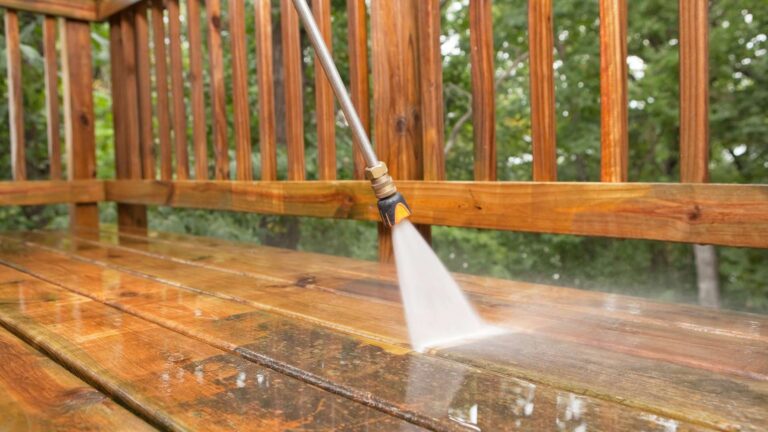
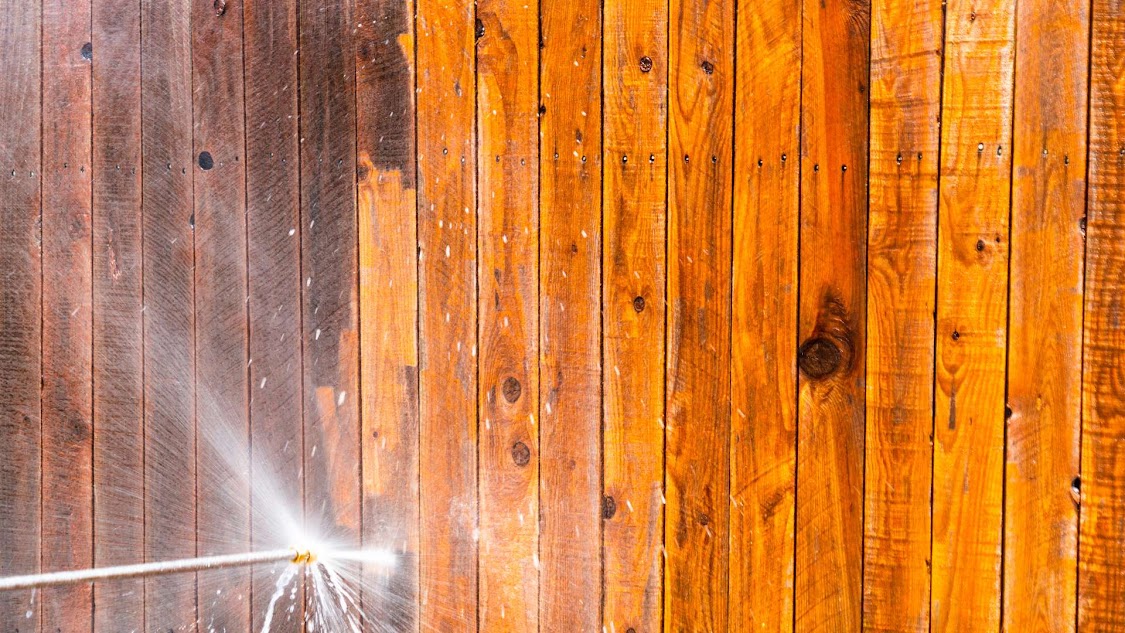
Before choosing forward, identify what is on the boards today. Water beading on a deck with visible grain and natural tone: a working clear sealer or transparent stain — you can re-seal, or step up to pigment at the next cycle. Even color with grain showing through: semi-transparent stain — stay in its lane for the easiest maintenance. Uniform color, no grain: solid stain or paint — solid recoats simply; paint on a deck is its own conversation and rarely a happy one. Water soaking straight in, gray surface: whatever was there is spent, and the sequence is now wash, brighten, dry, then finish — with the stain-versus-sealer choice made fresh on the restored surface.
The Maintenance Rhythm Each Choice Buys
Plan in cycles, not years. Clear sealer on a Texas deck: expect roughly annual-to-two-year attention in sun, longer in shade — light work each time, but frequent. Semi-transparent stain: the standard two-to-four-year deck rhythm, maintenance coats blending invisibly. Solid stain: the longest intervals on the chart, with the standing caveat that horizontal solid finishes must be re-coated before visible wear-through, because traffic patterns telegraph. Whichever cycle you choose, the annual wash rides underneath all of them — clean finishes reach their full rated life, and the wash doubles as the yearly bead-test appointment that keeps the whole schedule honest. One horizontal-specific habit worth adding: watch the traffic lanes. The path from door to grill, the stair treads, the spot under the table — these wear ahead of the field boards on any deck, and spot-refreshing them between full re-coats keeps the surface uniform and stretches the full-project interval. Vertical surfaces never need this; decks always eventually do.
FAQs
Can I put stain over a deck that was sealed last year?
Usually yes once the sealer has weathered enough to absorb again — test by splashing water; if it still beads hard, the stain cannot penetrate yet. A cleaning and a season of weathering typically opens the door.
Do I need a separate sealer on top of deck stain?
With quality penetrating stains, no — the stain is the sealer. Clear topcoats over stain exist for specific looks but add film-failure risk on horizontal wood; most decks are better served by the stain alone, maintained on rhythm.
Which is more slip-resistant when wet?
Penetrating products of both kinds preserve the wood’s natural texture and traction. It is film-forming finishes — some paints and glossy topcoats — that turn slick; avoiding films on walking surfaces matters more than the stain/sealer distinction.
My deck is brand new. Seal it, stain it, or wait?
Wait first — new boards need weeks to months to dry to absorption readiness. Then either works: clear seal to enjoy the new-wood look on a short cycle, or go straight to pigment and start the longer rhythm immediately.
Is one cheaper than the other?
Materials are comparable; lifetime cost favors pigment in sun because of interval length. A clear-sealed full-sun deck simply buys more applications per decade.
How do I know when a clear sealer is worn out?
The bead test, seasonally: water darkening the boards means the barrier is spent. Clear finishes give no color-fade warning, which is exactly why the water check matters more on sealed decks than stained ones.
Does this logic apply to pergolas and fences too?
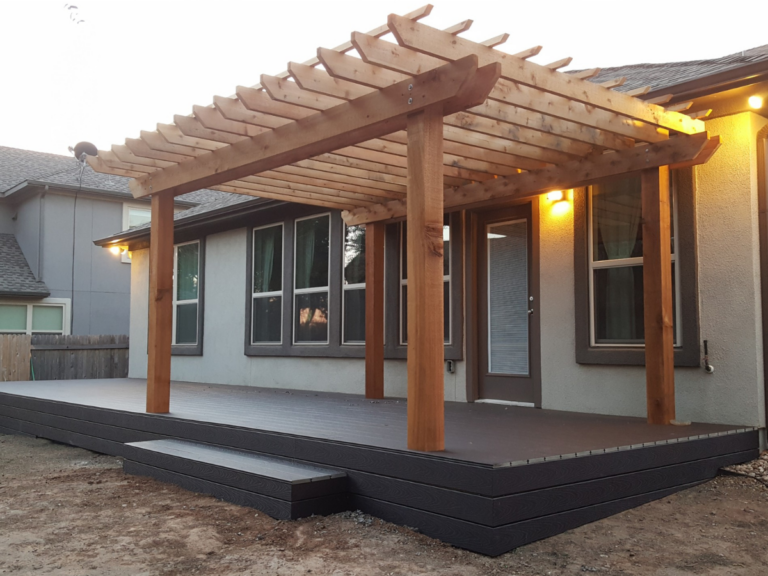
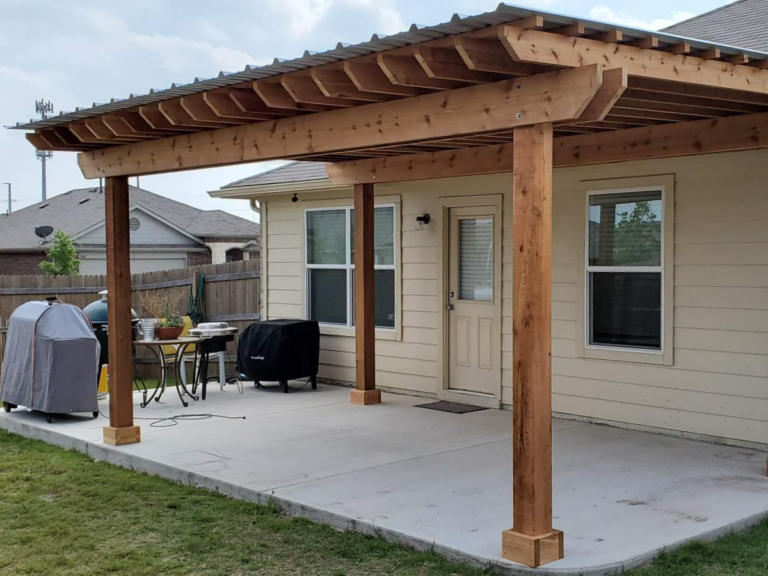
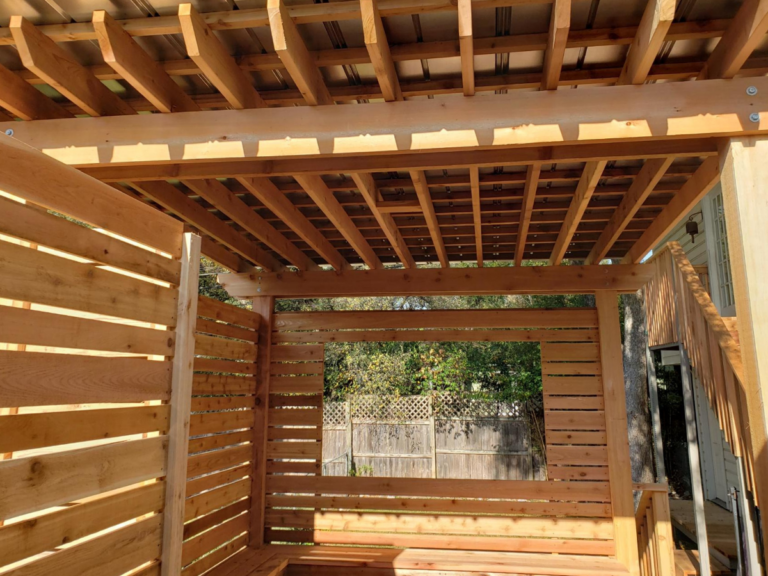
The chemistry does; the exposure math shifts. Vertical fences shed water and take angled sun, making clear options more viable there than on any deck. Pergola tops behave like decks — full-dose sun — and want pigment for the same reasons.