A Year of Deck Maintenance in Austin: The Calendar
Deck maintenance is not a project; it is a rhythm — and in Central Texas the rhythm has a distinctly local shape, because our seasons hand decks different problems in a predictable order. Run this calendar and the work stays small all year. Skip it for a few seasons and the same deck presents a restoration bill instead. Here is the full twelve months, and why each item lands where it does.
January and February: Inspect and Plan
Winter is the deck’s quiet season and the owner’s thinking season. With furniture stored and the surface bare, this is the easiest time of year to actually look at the structure: probe board ends and stair stringers for softness, check the ledger connection where the deck meets the house, look for fasteners backing out, and note any boards that flexed underfoot last season. Nothing gets washed or finished in a cold damp stretch, so the output is a list, not a result. It is also the smartest booking window — spring calendars are still open in February, and the households that plan now get the dates they want later.
March and April: Wash and Assess
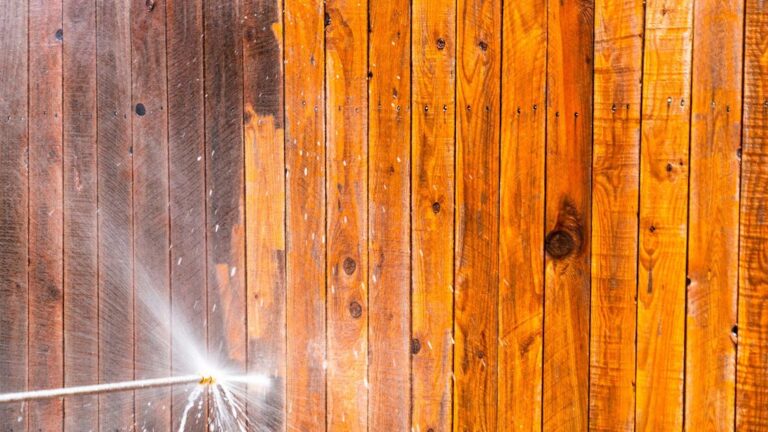
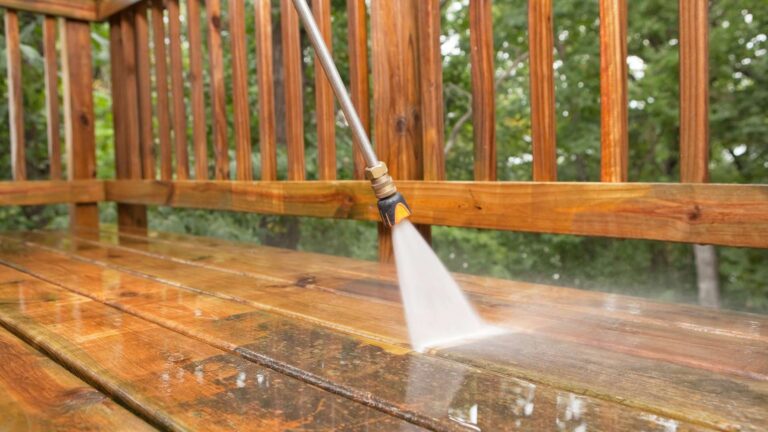
Spring’s first job is removing what winter left, and doing it before oak pollen bakes into the surface through summer. A proper deck wash clears the mildew that established in damp stretches, the dirt ground in over months, and the pollen load once the heaviest drop has passed. Then the annual diagnostic: the water-bead test across sun-facing boards, shaded boards, and stair treads. Beading everywhere means the finish is working and the year is easy. Failures anywhere start the finishing conversation — and spring is a legitimate finishing season, so a failed test in April can be resolved in April.
May: The Spring Finishing Window
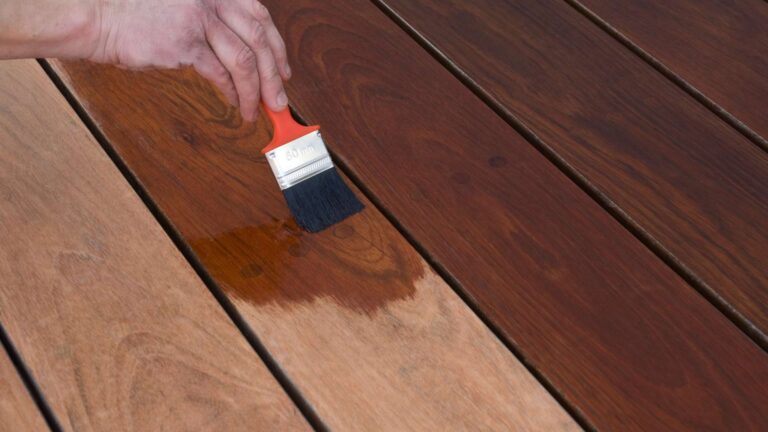
If the bead test called for work, May is the year’s second-best time to do it — warm enough to cure properly, before the heat that makes staining a scheduling puzzle. Maintenance coats over sound, washed boards go on quickly. Full restorations are better placed here than in summer, since they need consecutive dry days. And whatever gets finished in May enters the hardest season already protected, which is the sequencing argument for not deferring spring findings to fall. The one discipline: respect the drying days between wash and finish, and check the forecast before opening anything.
June through August: Use It, Watch It, Prep in It
Summer is for using the deck, and for the specific maintenance that heat suits. Finishing largely waits — surface temperatures flash-dry stain, and horizontal boards run hottest of all — but washing runs happily all summer with the year’s fastest drying times, which makes this the season to knock out prep for fall work. Watch for the summer-specific signals: color flattening on the most exposed boards, the surface feeling dry and rough underfoot, gaps widening as boards shrink. Rinse off grill grease and spills promptly, since baked-in contamination becomes a prep problem later, and keep furniture feet from sitting in one spot for three months.
September and October: The Main Event
Fall is the deck’s championship window and the calendar’s anchor. Wood is fully dried from summer, temperatures settle into the seventies and eighties, and humidity falls — the deepest-penetration conditions of the year. Run the bead test again in September; anything failing gets its maintenance coat now, in the best conditions available. Full restorations belong here too. And whatever gets finished in October enters winter sealed against the damp months, closing the protective loop. The catch is competition: the first cool front reminds everyone at once, so fall work books in late summer, not in October.
November and December: Close It Down
Late fall is about setting the deck up to survive winter unattended. Clear the leaves and debris out of board gaps, where trapped organic matter holds moisture against the wood all season — the single most-skipped item on this list and a reliable source of spring mildew. Clean and store or cover furniture, and get planters off the boards or onto feet, since a pot sitting directly on wood through a wet winter leaves a ring that outlasts several finishes. Then a final walk: note anything to add to January’s inspection list, and let the deck rest.
Adjusting the Calendar to Your Deck
The twelve months above describe a typical Austin deck; three variables shift the dates. Exposure: a full-sun deck runs everything on a compressed clock — earlier failures on the bead test, shorter finish intervals, and a stronger argument for taking the fall window every time it is offered. A deck under mature canopy inverts the pressures: UV load drops and finish stretches, while leaf debris, moisture, and mildew rise, making the gap-clearing and washing items the year’s real work. Traffic: decks that host constantly wear their traffic lanes years ahead of their field boards, which turns spot-refreshing into an annual item rather than a novelty. Material and age also matter — older boards drink finish faster and want closer watching, while a deck in its first three years mostly needs the rhythm established. Read your own deck against the calendar rather than following it blindly; the sequence holds, the intervals flex.
What the Calendar Actually Buys
Run this rhythm and the year’s total effort is modest — one wash, two bead tests, one finishing visit every few years, and some seasonal housekeeping. The alternative is not less work; it is the same work postponed into a harder form. Decks that skip the rhythm accumulate quietly for three or four years and then require the full restoration sequence — wash, brighten, replace failures, refinish — at several times the cost of the maintenance that would have prevented it. The calendar’s real product is that a maintained deck never becomes a project, and the households running it spend their outdoor budget on furniture rather than recovery. There is a second dividend worth naming: predictability. A deck on the rhythm never surprises anyone with a bill, because the bead test forecasts the next finishing year well in advance and the annual wash keeps the surprises small. Households that have run this calendar for a few seasons stop thinking about their deck as a liability at all — it becomes an appointment, and appointments are easy to budget.
FAQs
What if I can only do one thing a year?
The spring wash with a bead test attached. It removes the year’s buildup and tells you whether anything else is needed — one appointment doing both the maintenance and the diagnosis.
How often does a deck actually need re-staining in Austin?
Typically every two to four years depending on exposure and product, with the bead test rather than the calendar making the call. Shaded decks stretch longer; full-sun decks run short.
Does a covered deck still need this calendar?
A lighter version — less UV means longer finish life, but moisture, mildew, and traffic still apply. Keep the wash and the tests; expect the finishing intervals to stretch.
When should furniture come off for finishing?
A day before, so the boards underneath dry evenly, and back on only after full cure — typically a few days, longer for oil-based products in cool weather.
Is pressure washing safe to do every year?
At wood-safe calibration, yes — annual maintenance washing preserves sound finishes. It is aggressive rental-machine pressure, not frequency, that damages boards.
What about the deck’s railings and stairs?
They wear faster than field boards — hands on railings, feet on treads — and often want attention a cycle ahead. Check them separately during each bead test.
My deck is new. Where do I start in this calendar?
After the first finish is properly timed and applied, join the rhythm at whatever season you are in. New decks earn the easiest years of this calendar, and starting the habit immediately is what keeps them that way.