Semi-Transparent vs. Solid Stain, Explained
Transparency is the most visible decision in any staining project — it decides whether your fence reads as wood or as color. It is also widely misunderstood as a pure style choice, when it is equally a protection and maintenance decision. Here is the full trade, from clear to solid, and how to place your fence on the spectrum.
The Spectrum, End to End
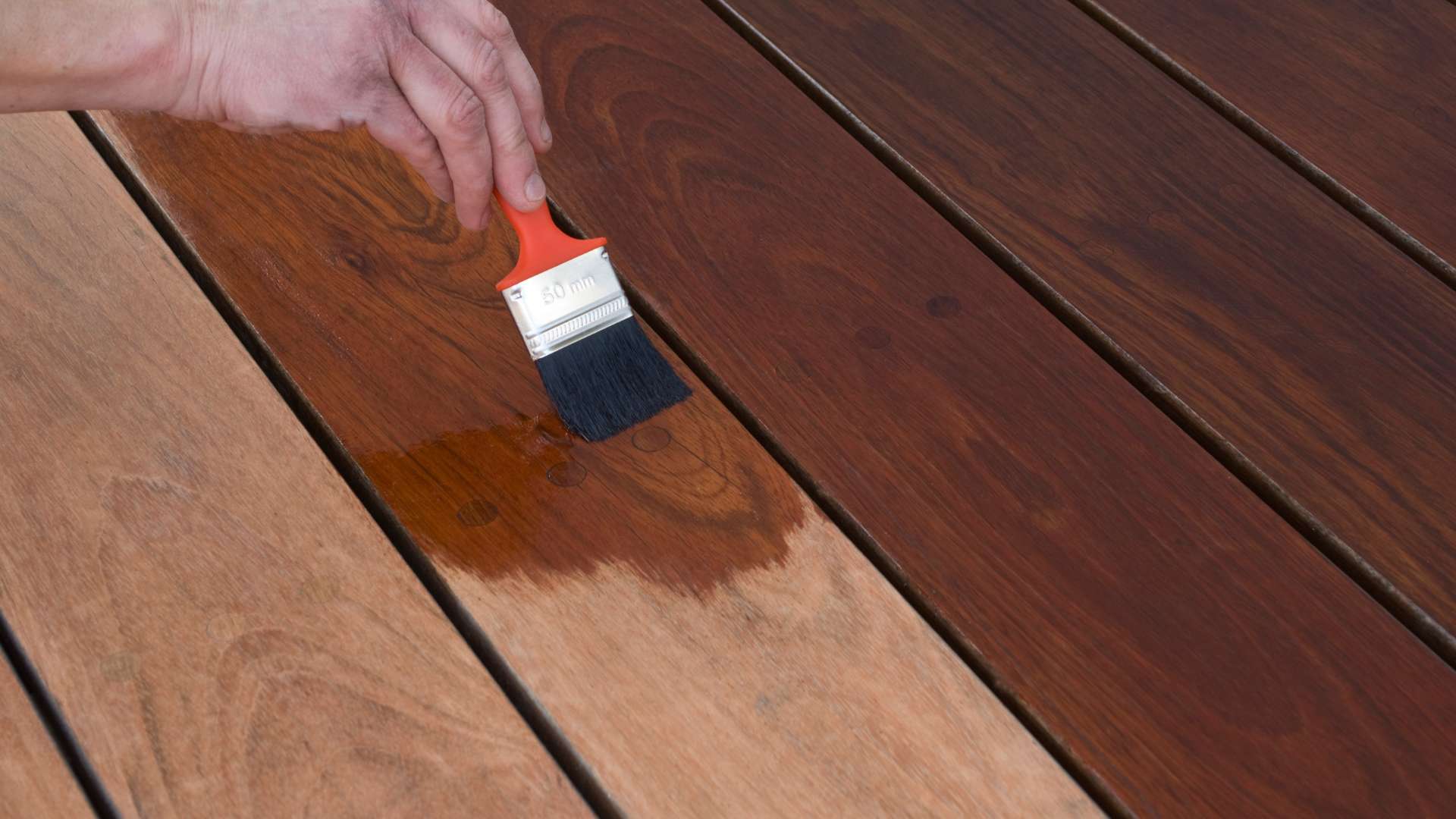
Stains run a continuum of pigment load. Clear and transparent finishes carry little to none: maximum grain visibility, minimum UV defense, shortest life in sun. Semi-transparent sits in the working middle: enough pigment for genuine UV protection, enough transparency that grain, texture, and the wood’s character show through. Semi-solid deepens the color and mutes the grain to a suggestion. Solid carries paint-level pigment: uniform color, grain visible only as texture, and the longest UV life on the chart. The physics underneath is simple — pigment is the sunscreen, so protection and opacity rise together, and every step toward solid trades wood-look for wear-life.
What Semi-Transparent Does Best
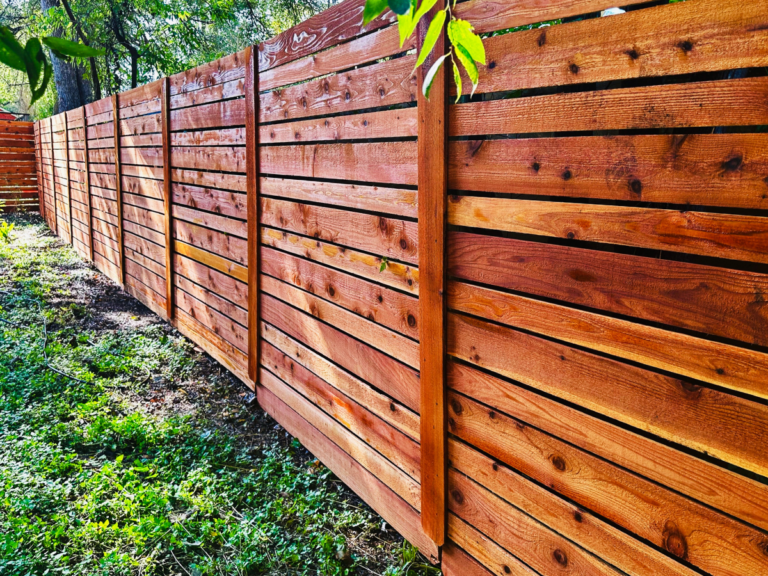
Semi-transparent is the enthusiast’s choice and the default for wood worth showing: healthy cedar, newer fences, boards with figure and warmth. It deepens and enriches rather than covers, it weathers gracefully — thinning rather than peeling — and its maintenance story is the friendliest in the lineup: a wash and a re-coat blend invisibly, no stripping, no edges. Its honest limits: it asks more of the wood underneath, because it hides nothing — stains, mismatched repairs, and weathering history all read through it — and its moderate pigment load means a re-coat rhythm on the shorter side in hard sun.
What Solid Does Best
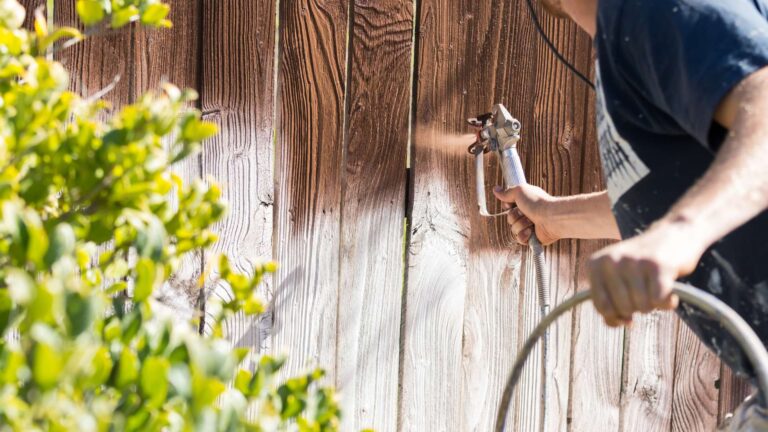
Solid stain is the workhorse for fences with a past: older wood, cosmetic damage, mixed-age repairs, previous finish history, or an HOA color to match. It delivers uniform, deliberate color that makes a twenty-year fence look composed, carries the heaviest UV defense, and runs the longest interval between re-coats. Its limits mirror its strengths: the wood-look is gone (texture remains, grain does not), application demands more care against lap marks precisely because the color is uniform, and while quality solid stains remain breathable penetrants rather than films, heavy buildup over many careless re-coats can eventually behave film-like — the reason thin coats stay the rule.
How Each Ages in Texas Sun
Fast-forward both choices through four Texas summers and their aging personalities diverge. Semi-transparent fades the way wood weathers — gradually, and mostly gracefully: color thins first on the sun-facing runs, the grain shows a little more each year, and the fence en route to its re-coat still reads as intentional wood. Solid ages by uniformity loss: color holds impressively long, then dulls and chalks lightly at the surface in the hardest exposures, and because the original statement was uniform color, any unevenness reads louder than semi-transparent’s soft drift ever would. Neither aging curve is a flaw; each is the personality of its pigment load. The planning takeaway: semi-transparent forgives a stretched interval aesthetically while spending protection faster, and solid protects longer while asking that its eventual re-coat not be postponed past the point of visible unevenness.
Matching Transparency to the Fence
The decision usually makes itself once three questions are answered. What condition is the wood? Clean, even-toned boards earn transparency; weathered or patched boards argue for pigment. What exposure does it face? Full sun pushes toward more pigment for pure survival math; shade affords showing more grain. What history does it carry? Previously solid-stained wood realistically stays solid; never-finished cedar has every option open. Most Austin fences land at semi-transparent when the wood allows and solid when the history votes — and a proper restoration can move a fence from the second category back toward the first, if showing the grain is worth the project.
The Maintenance Math Per Choice
Plan the decade, not the weekend. Semi-transparent: re-coats more often, but each is trivial — wash, dry, apply, done — and color drift is gentle. Solid: longer intervals, equally easy re-coats when maintained on schedule, but a neglected solid finish that fails unevenly is more conspicuous and more work to even out. Two composite paths serve most fences well: start semi-transparent on young wood and enjoy the grain years, migrating toward solid as the boards accumulate history; or commit to solid early on hard-sun runs and bank the longer intervals. Both are legitimate; drifting between them accidentally is what creates the patchy fences this decision exists to prevent.
One Fence, Two Transparencies: The Split Decision
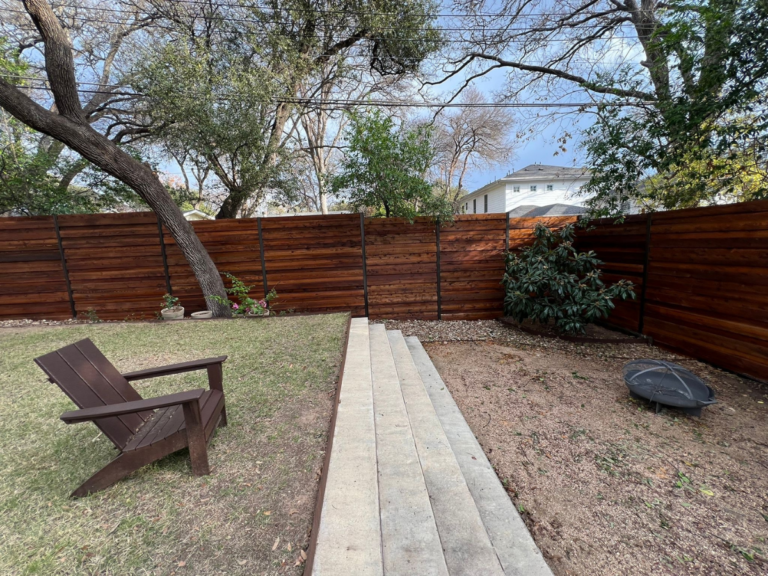
Properties with mixed conditions sometimes deserve a split answer, and it is more common than the aisle suggests. A backyard cedar fence in good shape wearing semi-transparent, while the older street-facing run with patched history wears solid in a coordinated tone. A fence in semi-transparent with its heavily repaired gate section in matching solid. The rules that keep splits looking deliberate rather than accidental: transitions happen at posts and corners, never mid-run; tones are chosen together so the two transparencies read as one palette; and the sunnier, harder-history sections take the heavier pigment. Done this way, the split is invisible to guests and obvious only to the maintenance calendar — each section on the interval its pigment load earns. Split decisions also solve the inherited-fence problem gracefully: when one previously solid-stained run joins a property of natural cedar, matching its solid tone to a new semi-transparent palette lets the whole fence line read as designed rather than accumulated — often the only alternative to stripping that anyone should actually undertake.
Seeing It Before Committing
Transparency is the choice most worth sampling, because the same product reads differently on every wood. Pigment sits differently in cedar than pine, in weathered grain than fresh, in shade than sun — a swatch card predicts almost nothing. Test patches on your actual boards, viewed at the hours you actually see the fence, settle the question with evidence; the color-matching process exists for exactly this. And when two transparencies both look right, choose by the maintenance math above — the fence will spend far more years wearing the decision than you spent making it. And sample honestly: apply the patch over prepared wood, not over the grime the real project will remove, and let it fully dry before judging — wet stain reads two shades darker and one transparency more opaque than the finished result, which is how fences end up lighter than their owners intended.
FAQs
Does solid stain protect better than semi-transparent?
Against UV, yes — pigment is the protection, and solid carries the most. Against moisture, quality products at both transparencies perform comparably. In hard sun, solid’s advantage is real; in shade, it narrows.
Can I go from solid back to semi-transparent later?
Only through serious removal work — solid pigment must come off before grain can show, which usually means aggressive stripping or accepting the change at board-replacement time. Toward more pigment is easy; toward less is a project.
What about semi-solid — is it a real category?
Yes: a legitimate middle stop with most of solid’s UV life and a ghost of the grain. It suits fences one aesthetic step from needing full coverage.
Will semi-transparent hide the different colors where my fence was repaired?
It will soften, not hide — new boards read through semi-transparent for a season or two until weathering converges. Solid erases the difference immediately; patience or pigment is the choice.
Do the two transparencies cost differently to apply?
Material costs are similar. Solid can demand more application care on long runs, and semi-transparent more prep perfection — in practice, project prices differ by fence condition far more than by transparency.
Which do HOAs usually require?
Where HOAs specify, it is typically an approved palette of solid or semi-solid tones for uniformity. Semi-transparent approvals happen, but bring samples to the committee.
Which is more forgiving for DIY application?
Semi-transparent, comfortably — its variegated look absorbs small technique flaws that uniform solid color announces. If your fence needs solid and your weekend is the labor, work in small sections and guard the wet edge.