Getting Fence Stain Colors Through HOA Approval
Across Austin’s master-planned neighborhoods — Circle C, Steiner Ranch, Avery Ranch, Teravista, Sunfield, and dozens more — fence staining frequently requires architectural committee approval. Homeowners tend to treat this as an obstacle and occasionally skip it, which is where the real problems start. Approval is usually straightforward when approached correctly, and the denials we hear about are far more often process failures than color failures.
Read the Covenants First, Not the Forum
Start with the actual governing documents rather than neighborhood hearsay, because requirements vary enormously between associations and even between phases of one development. What to look for: whether exterior finishes require approval at all (some associations regulate only structures), whether an approved palette exists, whether specific transparencies are required or prohibited, whether both fence faces are governed, and what the submission and review timeline is. Many associations publish this online; where they do not, the management company will provide it. Ten minutes with the source document prevents nearly every avoidable complication in this process.
Why Committees Care About Fence Color
Understanding the committee’s actual concern makes submissions easier to write. Architectural review exists to protect neighborhood visual consistency, which in practice means committees worry about a few specific things: a color dramatically out of step with surrounding fences, finishes that will fail conspicuously and look worse than bare wood within two years, and precedent — approving something they would then have to approve for everyone. They are rarely opposed to a fence being finished at all; a maintained fence line is usually exactly what they want. Submissions that speak to consistency, durability, and precedent tend to move quickly.
What a Strong Submission Contains
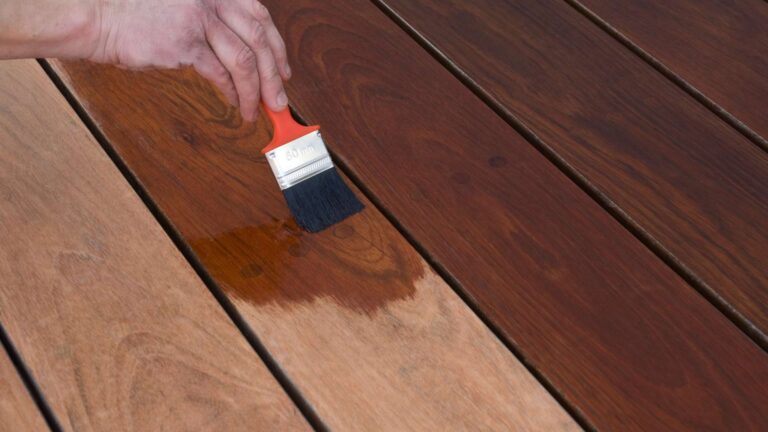
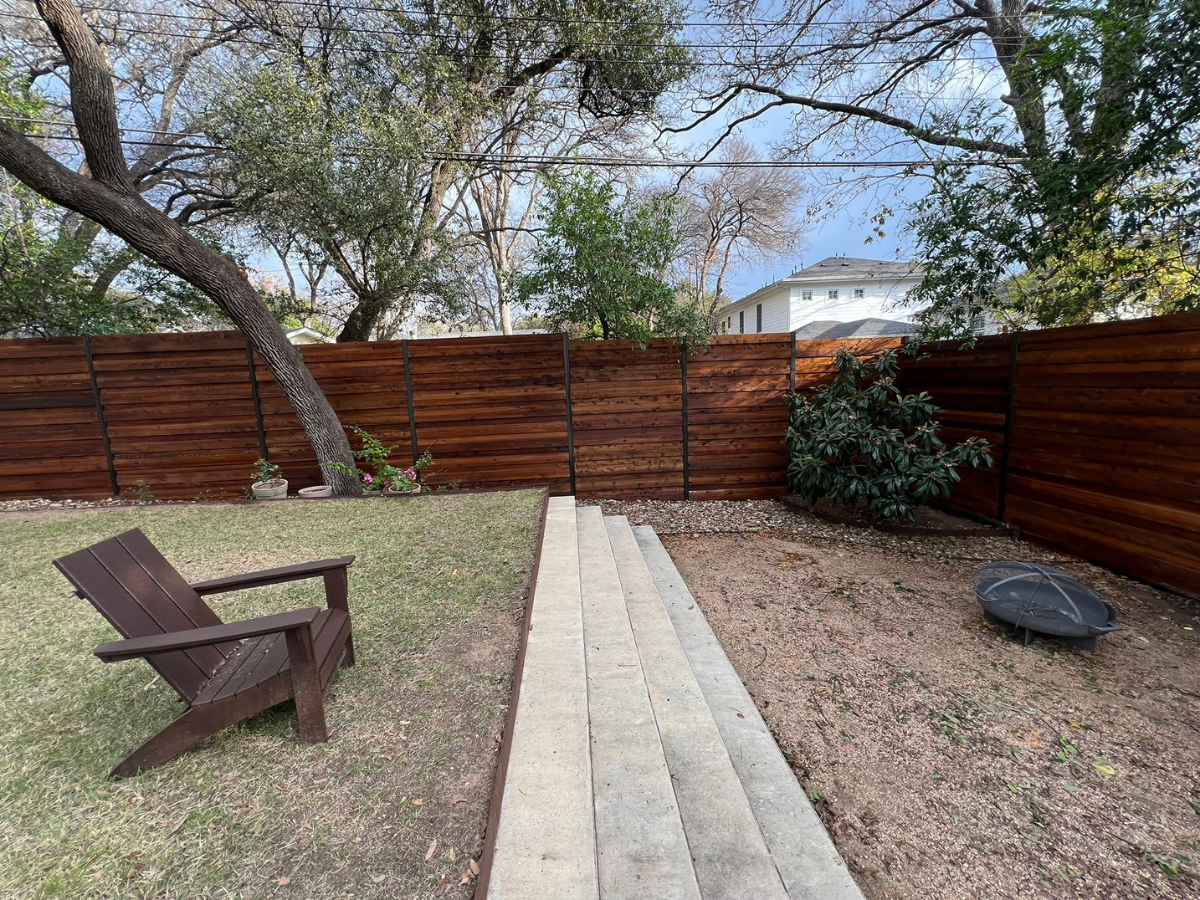
The difference between a fast approval and a round of questions is almost entirely in the packet. Include the specific product — manufacturer and color name, not just a description — and the transparency class. Include a physical sample where possible; committees respond far better to something they can hold than to a color name on a form. A photograph of the sample applied to your actual fence, in daylight, is the single most persuasive item you can provide, and test patches on prepared boards are worth doing anyway before you commit. Note whether one or both faces will be finished. And state the timeline, since committees appreciate knowing when work would begin.
Choosing Colors That Get Approved
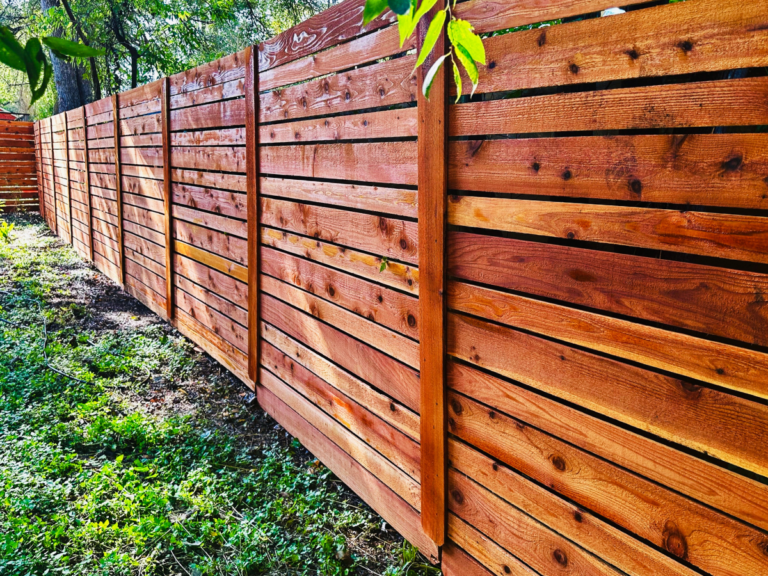
Where a palette exists, the decision is made for you. Where one does not, some choices simply carry less friction. Natural cedar tones, honey and golden families, and mid-browns are the most widely approved because they read as wood and harmonize with almost any neighborhood. Grays are increasingly accepted but occasionally read as unfinished to a committee unfamiliar with pigmented gray stains — a note explaining that the product is a protective finish, not weathering, preempts that. Deep and dramatic tones attract the most scrutiny and benefit most from photographic evidence in context. And solid versus semi-transparent sometimes matters to committees on its own, so state it explicitly rather than leaving it to be inferred.
The Shared-Fence Wrinkle
HOA neighborhoods intensify the two-sided question. Some covenants specify that street-facing or common-area-facing fences must be maintained to a standard regardless of which homeowner owns them, and corner lots often carry the heaviest requirements. Where the fence is shared, both the neighbor conversation and the committee submission ideally happen before scheduling — the one-side-or-both decision can be constrained by rules neither household knew existed. Where a fence borders common area, the association itself may have a position on the face it sees, and occasionally a cost-sharing arrangement is available for it. All of this is easier discovered in advance than mid-project.
Timelines and Sequencing With the Work
Committees typically meet on a schedule — monthly is common — and review windows of thirty days or more appear frequently in covenants. That has a real consequence for anyone planning to use the fall staining window: a submission made in September may not clear until October, which is exactly when the good crew dates are gone. The workable sequence is to submit in summer for fall work, get the approval in hand, then book. Where the work is urgent, ask the management company whether expedited or administrative approval exists for palette-compliant selections; many associations approve pre-approved colors without a full committee cycle.
When the Rules Are Unclear or Outdated
Plenty of associations have covenants that predate modern staining products or simply do not address exterior finishes clearly, and homeowners get stuck deciding whether to submit at all. The practical guidance: when in doubt, submit anyway. A submission that turns out to have been unnecessary costs nothing but a form, while unpermitted work under an ambiguous rule is the homeowner’s risk to carry. Where the covenant language is genuinely unclear — ‘natural finishes’ with no palette, say, or rules written for paint that never contemplated stain transparency — ask the management company for a written interpretation before submitting, and keep that response. Where the association has no active architectural committee, which happens in older or self-managed neighborhoods, a written acknowledgment from the board or manager serves the same protective purpose. The pattern worth internalizing is that the paperwork’s value is not approval itself but documentation: a homeowner with a written yes is protected against a future board’s different reading, and that protection outlasts the finish.
What Happens If You Skip It
Worth stating plainly, because homeowners occasionally decide it is not worth the trouble. Associations with enforcement authority can require remediation — which for a fence stain means either restaining to an approved color or, in the worst cases, attempting to remove a finish that penetrating stains do not readily give up. Fines and liens are available to many associations under Texas law. The cost asymmetry is severe: the approval process costs a few weeks and some paperwork, while remediation costs the entire project again plus whatever penalties applied. It is one of the clearest cases in home maintenance where the boring administrative step is the cheap one. The same logic argues for keeping the approval documentation permanently, ideally with the property records. Boards change, management companies change, and interpretations drift — a homeowner who can produce a dated written approval five years later has settled the question before it becomes one.
FAQs
Does staining my fence really need HOA approval?
Often yes in master-planned neighborhoods, sometimes no. The covenants are the only authority worth trusting — neighborhood advice is frequently wrong or outdated.
What if my neighbor already stained a color I like?
Helpful evidence, but not authorization — precedent does not substitute for approval, and their color may itself have been unapproved.
How long does approval usually take?
Commonly thirty days or a committee meeting cycle. Plan for it, especially when targeting fall work.
Can I submit multiple colors at once?
Usually yes, and it is a good strategy — approval of a range gives you flexibility once samples are on the actual fence.
What if my preferred color is denied?
Ask what would be approved. Committees generally respond well to being consulted, and a near-match within the palette is usually available.
Does the HOA govern the neighbor-facing side too?
Sometimes, particularly for street-facing and common-area-facing fences. Check the covenants before assuming only your side matters.
Are there colors that are almost always approved?
Natural, honey, and mid-brown cedar tones clear most committees easily, especially with a photographed sample in context.