When Should a New Fence Be Sealed (or Stained)?
The most common new-fence mistake in Austin is not skipping the finish — it is timing it wrong in either direction. Sealed the week it goes up, a fence wears a shallow coat that fails early; left bare through a full Texas summer, it starts the graying its finish was meant to prevent. The window between those errors is real, testable, and worth understanding before the builder’s truck leaves the curb.
Why Brand-New Wood Refuses Finish
Fresh fence lumber is wet — cedar carries natural moisture, and pressure-treated pine leaves the treatment plant saturated with it. Penetrating finishes work by soaking into open wood fiber, and water-filled fiber has no room to receive them: sealer or stain applied over wet wood sits shallow, cures poorly, and often blotches as the trapped moisture pushes back out through the curing film. The result looks acceptable for a season and fails in one or two — the shallow coat wearing through while its owner wonders why the premium product underperformed. The wood was never ready; the calendar just said it was.
The Real Timing Windows by Wood
Cedar pickets typically reach finish-readiness in three to eight weeks of Texas weather — faster in hot dry stretches, slower through humid or rainy spells. Pressure-treated pine runs longer: commonly one to three months, occasionally more, because it starts wetter. Kiln-dried lumber, where the builder used it, shortens everything. Those ranges are honest but wide, which is why the calendar should nominate and the wood should confirm: the season the fence went up, the weather since, and the lumber type set expectations, and the tests below give the actual green light. The practical takeaway for most new Austin fences: think weeks-to-a-couple-of-months, get on a finishing calendar early, and let the moisture reading pick the exact date.
The Two Tests That Confirm Readiness
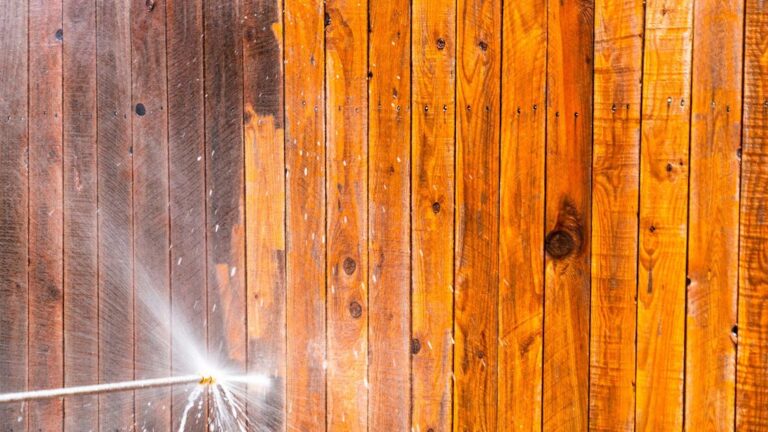
The sprinkle test is the homeowner tool: scatter water on several boards in different exposures. Beading or sitting on the surface means the wood is still shedding — not ready. Absorbing within a few minutes and darkening the wood means the grain has opened and finish will penetrate. Test multiple boards, because a fence dries unevenly — sun faces ahead of shade faces, tops ahead of bottoms. The moisture meter is the professional tool: readings in the low-to-mid teens percent signal readiness for most finishes, and a meter settles marginal cases the sprinkle test leaves ambiguous. Either way, the fence votes board by board, and the finish date belongs to its slowest important section, not its fastest.
What Bare Wood Loses While Waiting
The waiting period is necessary; an unlimited one is not, because bare wood is aging the whole time. UV begins graying exposed cedar within weeks of installation — the surface-fiber breakdown that eventually requires brightening to reverse — and a fence left bare through an entire summer can need restoration-grade prep before its first finish, an absurd outcome for year-one wood. Moisture cycling starts its checking work on unsealed boards immediately. The window, in other words, closes from both sides: too early wastes the finish, too late taxes the wood, and the ideal sits just past confirmed readiness. This is the entire argument for scheduling the finish when the fence is installed rather than when it is ready — getting on the calendar early means the crew arrives inside the window instead of after it.
A Week-by-Week Picture of the Waiting Period
Here is how the window typically unfolds on a spring-built cedar fence in Austin. Weeks one and two: the fence is visibly fresh, boards heavy with moisture; sprinkle tests bead everywhere; nothing to do but redirect sprinklers away from it. Weeks three and four: sun faces begin absorbing the sprinkle test while shade faces still shed; board tops start their first color shift — the countdown is running. Weeks five and six: most faces absorb; a moisture meter reads the sunny runs in the ready range; this is booking territory, with the finish visit set for the window’s middle. Weeks seven and eight: the whole fence absorbs; readiness is general; finish goes on into deep, receptive grain. Rain along the way pauses the surface for days without resetting the deep drying. Pressure-treated pine runs the same arc at roughly stretched timing. The picture to keep: the window announces itself progressively, face by face, and the sprinkle test is the whole tracking system.
Seal or Stain: The New-Fence Version
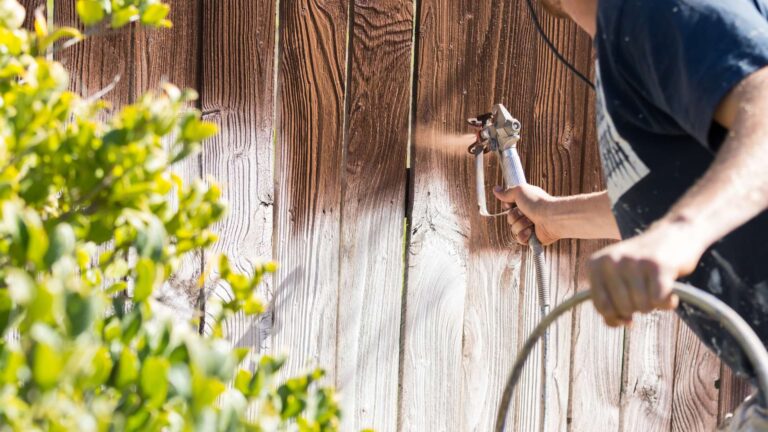
Readiness confirmed, the product question inherits everything covered across this site, with a new-wood inflection. Clear sealing suits new fences whose fresh-milled color is the point — full moisture protection, honest short interval, graying merely slowed. Semi-transparent stain is the popular new-cedar answer: modest pigment locking in something close to the new-wood look while adding real UV defense. Solid stain on brand-new wood is less common but legitimate where an HOA palette or a deliberate design calls for it. The new-wood advantage worth naming: whatever you choose penetrates deeper and performs better on properly dried first-time wood than it ever will again — the foundation coat is the fence’s best, which is the strongest argument for not wasting it on rushed timing.
The First Finish as a Foundation
Everything in the fence’s future maintenance inherits from this application. A deep, well-timed first finish establishes protection that later maintenance coats merely top up — each re-coat bonding to a sound foundation on the standard easy cycle. A rushed first finish underperforms structurally for the fence’s whole life: shallow initial penetration means every subsequent coat is compensating, intervals run shorter, and failures run earlier, permanently. It is the one application in the fence’s story that cannot be economically redone, which is why even committed DIY households often assign exactly this coat to professionals and take over the maintenance cycles after. Get the foundation right, and the fence spends decades being easy; rush it, and the fence spends decades reminding you.
Coordinating With Your Fence Builder
The cleanest new-fence outcomes start before installation ends, with three questions to the builder. What lumber, exactly — cedar or treated pine, kiln-dried or green — since the answer sets the waiting arc. Can board bottoms clear the soil line — the construction detail that most affects the finish’s eventual lifespan, cheap during the build and costly after. And will sprinkler heads need adjusting — daily irrigation on new pickets extends the drying window and undermines the finish’s future. None of these are finishing-company demands; they are the hand-off points between two trades whose work meets at the same boards. Builders answer them happily, the fence dries on schedule, and the finishing visit inherits wood that was set up to receive it — the whole sequence working as one project rather than two that happen to share a fence.
FAQs
The builder said the fence doesn’t need anything for a year. True?
A year is past the window’s far edge for most wood — by then a Texas summer has usually started the graying. Weeks to a couple of months, confirmed by the sprinkle test, is the honest guidance.
Can I stain just the sun-facing side first if it dries faster?
Better to wait for the whole fence and finish it as one — split-schedule finishing creates tone differences and doubled mobilization. The sunny face’s earlier readiness simply starts the countdown.
Does rain during the waiting period restart the clock?
It pauses more than restarts: surface moisture from a storm clears in days, while the deep drying continues underneath. Re-test after a few dry days rather than recalculating from zero.
My new fence is already graying at the tops. Too late?
Not too late — early graying brightens away easily during prep. It is the signal to schedule now rather than a sign of damage done.
Is there a season when new-fence finishing works best?
The wood’s readiness outranks the calendar, and first finishes happen year-round on that basis. When readiness lands near a fall or spring window, so much the better.
Do gates and posts follow the same timing?
Posts often carry more moisture (and concrete-cure humidity at their bases); gates match their pickets. The whole-fence moisture check covers all of it — another reason to test broadly.
What if I miss the window and the fence goes fully gray?
Then the first finish becomes a small restoration — wash, brighten, then finish — still completely recoverable, just no longer the simple application it could have been. The wood forgives; the budget notices.